


 Dc Gear Motor
 Planetary Gear Motor
 Ac Shaded Pole Gear Motor
 Dc Worm Gear Motor
 Smart Lock Motor
 Gearbox
 Pinion Gear
 Brushless Dc Motor
 Brush Dc Motor
 Smart Home Appliances
 Consumer Electronics
 Pet Devices
 Medical Equipment
 Automotive Systems
 Industrial Control Systems
 Robotics and Automation
 Company
 History Story
 Our Mission
 Exhibitions & Events
 News
News Certificates
 Technology
 FAQ
FAQ Downloads


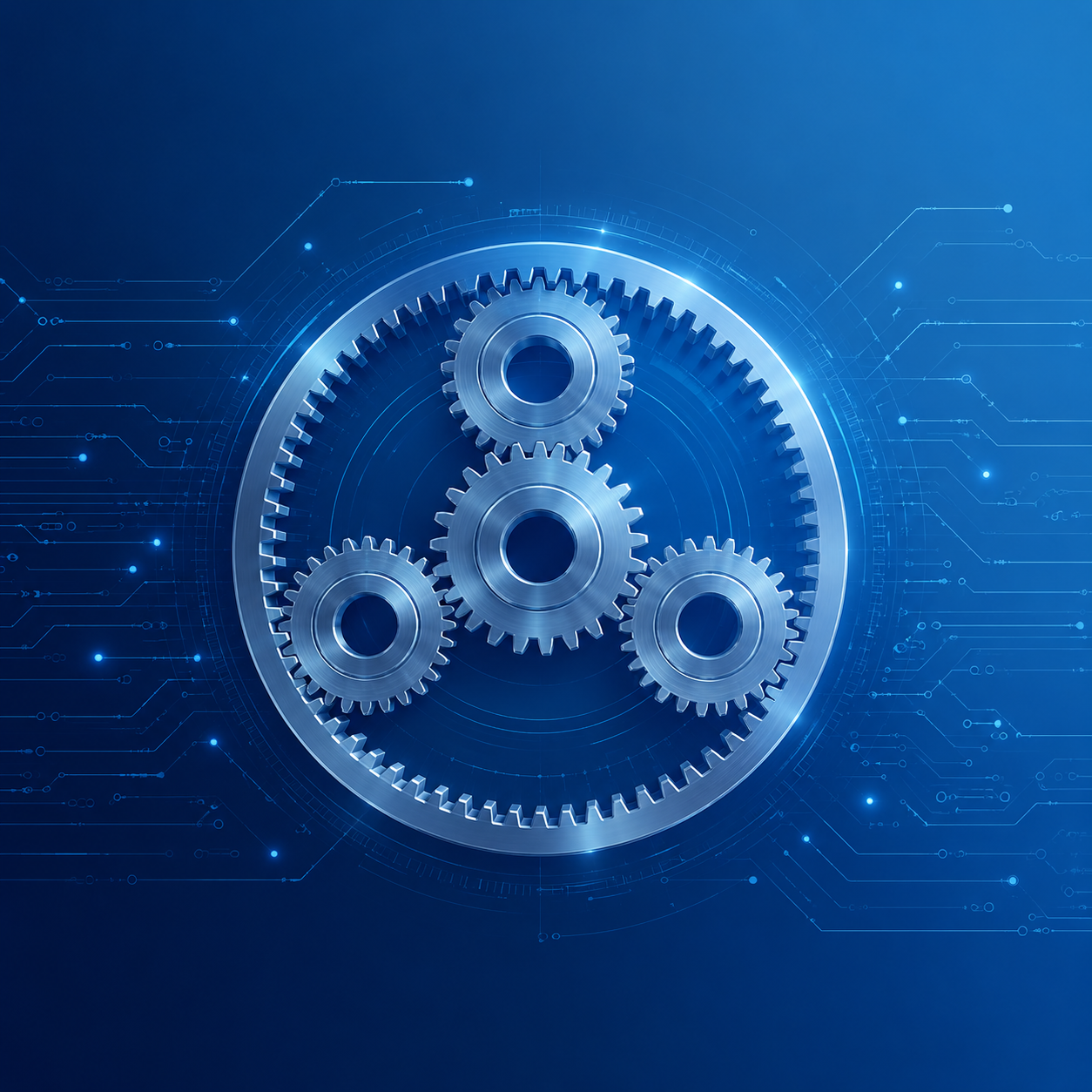


Take a look at Gear Motors
Geared motor is a device that integrates an electric motor with a gearbox and is designed to deliver high torque at a lower speed. Such devices are widely used in many application scenarios where precise control of speed and torque is required, such as industrial automation equipment, robotics, conveyor systems, and various types of mechanical equipment. By combining an electric motor with a gearbox, gear motors are able to efficiently convert electrical energy into mechanical energy while meeting the specific speed and torque requirements of different applications.

The main components of a gear motor include:
1. Motor: This is the power source of the gear motor, which converts electrical energy into rotary motion, usually with high speed but low torque.
2. Gearbox: The gearbox reduces the speed of the motor and correspondingly increases the torque output by means of an internal set of gears. The gears inside the gearbox are usually made of high-strength materials to ensure their durability and efficiency when subjected to high loads.
The working principle of a gear motor can be divided into the following steps:
1. Motor generates rotary motion: When the motor is switched on, an electric current passes through the coils to generate a magnetic field, which drives the rotor of the motor to rotate. The speed of the motor is usually high, but the torque produced is relatively low.
2. Gearbox Reduction and Torque Increase: The high rotational speed of an electric motor is transmitted step by step through a series of gears in a gearbox. In this process, the number of gear ratios determines the speed reduction ratio. Typically, smaller gears drive larger gears, which reduces the RPM while increasing the output torque.
3.Output Shaft Transmission of Power: After the gearbox deceleration and torque-increasing process, the final power is transmitted to the equipment or mechanical device through the output shaft, thus realising low-speed, high-torque motion control.
Gear motors are widely used in many fields due to their reliability and efficiency:
- In smart curtain and blind systems, gear motors are used to drive the opening and closing of curtain tracks or louvres. These motors can be controlled remotely via mobile apps or voice assistants to automatically open and close the curtains and regulate the light in the room.
- Smart door locks rely on gear motors to drive the rotation of the lock cylinder, unlocking or locking the access control system. The role of the gear motor here is to convert the high rotational speed of the electric motor into a low-speed, high-torque output suitable for the action of the lock cylinder, thus ensuring that the lock is opened and closed every time.
- In smart furniture, gear motors are used to regulate the movement and adjustment of furniture. For example, a smart bed can be adjusted by gear motors to adjust the height of the head and foot of the bed to suit the user's sleeping habits or medical needs.
Advantages of geared motors
- High efficiency: With optimised gear ratios, geared motors can efficiently convert high motor speeds into high torque, reducing energy loss.
- Compact: Due to the integrated design of the motor and gearbox, geared motors take up little space and are suitable for installation in equipment where space is limited.
- Variety: Geared motors can be designed with different gear ratios and motor powers to meet a variety of load and speed requirements for different applications.
Overall, the geared motor is a mechanical device that cleverly combines an electric motor with a gearbox to provide reliable low-speed, high-torque output in smart home applications. By understanding how it works and the application scenarios, gear motors can be better utilised to enhance the performance and efficiency of your equipment.