


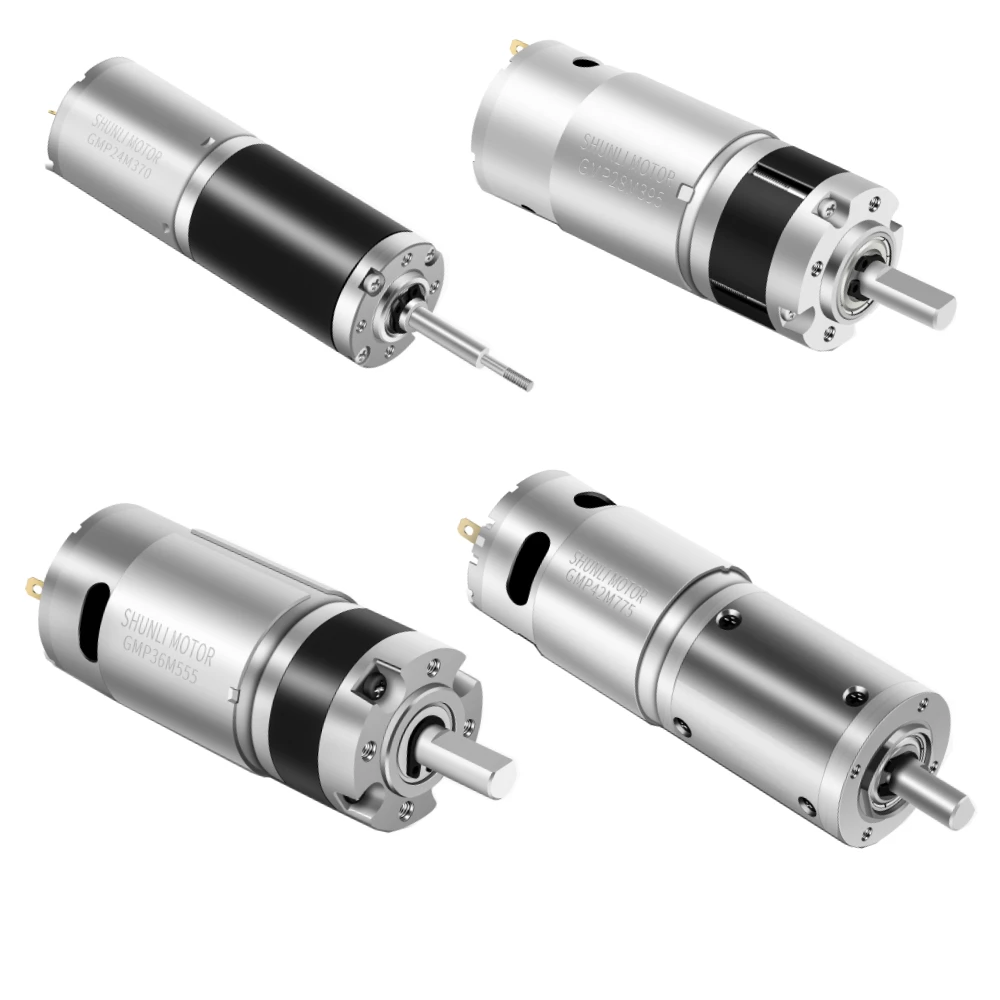
A planetary gear motor can help solve a common design problem: how to get useful output torque from a compact drive without taking up too much space. Its gear reduction, torque multiplication, and compact drive system make it suitable for machines that need controlled speed in a small footprint. This guide explains how the motor works, where it performs well, and how to choose a suitable model.
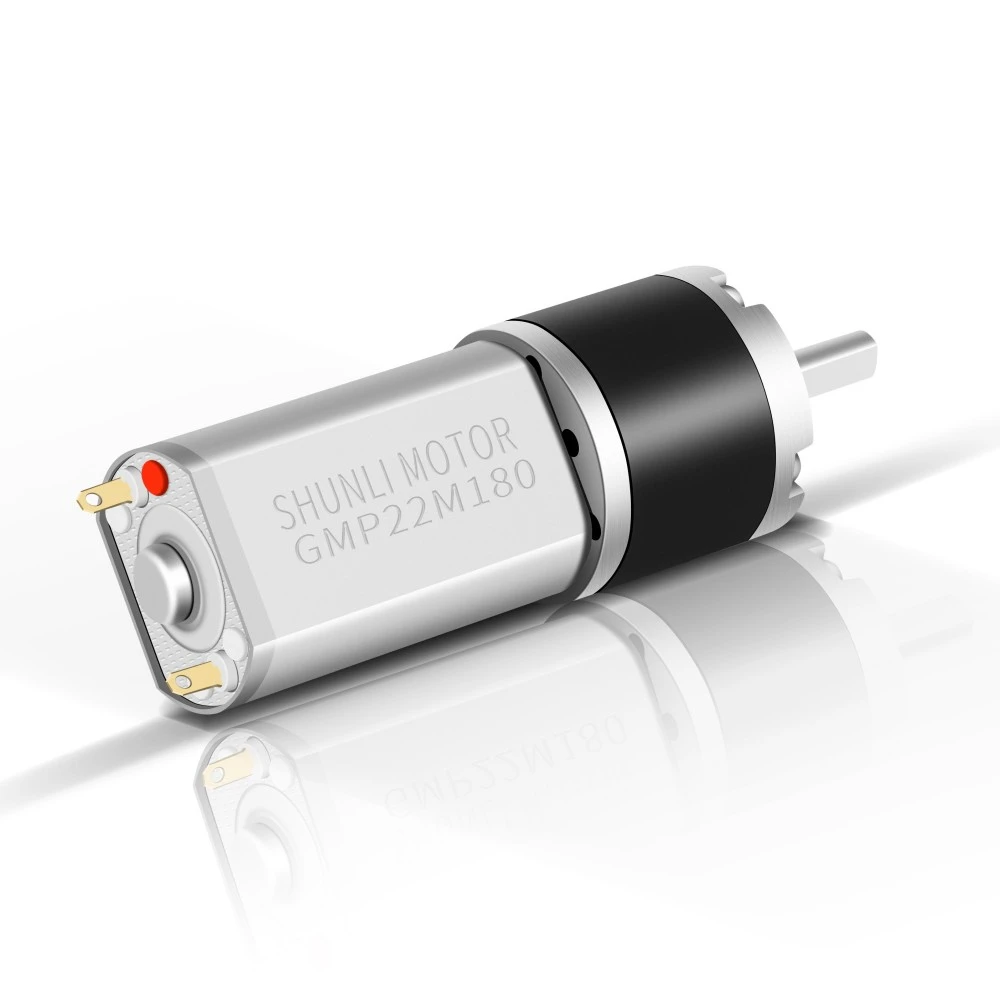
In simple terms, a planetary gear motor is an electric motor connected to a planetary gearbox. The motor supplies rotation, while the gearbox changes output speed and torque. The result is a geared motor that can drive conveyors, automation equipment, mobile machines, and many other systems. Exact performance depends on the motor, gear design, reduction ratio, materials, and operating conditions.
1. What Is a Planetary Gear Motor?
A planetary gear motor is a motor and gearbox assembly in which several small planet gears rotate around a central sun gear. The planet gears also mesh with an outer ring gear. This arrangement is named for its resemblance to planets moving around a sun, although all gears are mechanical components inside a housing.
When the motor turns the sun gear, the planet gears move within the ring gear. A carrier holds the planet gears and transfers the resulting rotation to the output shaft. Depending on which component is fixed, driven, or used as the output, the assembly can provide speed reduction, speed increase, or a change in rotation direction.
How speed and torque change
A reduction ratio describes how many input rotations are needed for one output rotation. For example, a 10:1 reduction means the input turns about 10 times for each output turn. In a practical system, the output speed is lower than the motor speed, while available output torque is generally higher. Friction and other losses mean that torque does not increase in direct proportion to the ratio.
Do not select a motor using ratio alone. The load, required acceleration, duty cycle, mounting position, and expected service life all affect the correct choice. The motor and gearbox must be treated as one drive system rather than as unrelated parts.
2. The 5 Main Parts of a Planetary Gear Motor
Most planetary gear motor assemblies share five basic mechanical elements. Their dimensions and materials vary with the motor type, torque rating, ratio, and intended working environment.
- Motor: Provides the input rotation. It may use a brushed DC, brushless DC, AC, or other motor design.
- Sun gear: The central gear that commonly receives input from the motor shaft.
- Planet gears: Small gears that mesh with the sun gear and the ring gear.
- Ring gear: The outer gear with internal teeth that surrounds the planet gears.
- Planet carrier and output shaft: The carrier supports the planet gears and transfers motion to the output shaft in common reduction layouts.
Supporting components
Bearings support rotating parts and help manage radial and axial loads. The housing keeps the gears aligned and protects them from contamination. Lubricant reduces friction and wear between meshing teeth. Seals may help retain lubricant and limit the entry of dust or moisture, depending on the design.
These details matter because a compact gear train still needs correct alignment, suitable lubrication, and adequate support. A motor may fit the available space but fail early if the output shaft is exposed to loads beyond its rating or if its working environment is not considered.
3. How the Planetary Gear Train Works
The planetary gear train shares load across multiple planet gears. The gears are arranged around the sun gear and engage with the ring gear at the same time. This concentric layout helps place the input and output on a common axis, which is useful when equipment has limited installation space.
Many designs use a fixed ring gear, a sun gear connected to the motor, and a carrier connected to the output. This is a common reduction arrangement, but it is not the only possible configuration. A multistage gearbox can connect several planetary stages to achieve a larger overall reduction.
Typical motion path
- The electrical supply energizes the motor.
- The motor shaft turns the sun gear.
- The sun gear drives the planet gears.
- The planet gears move against the fixed ring gear.
- The carrier turns the output shaft at reduced speed.
- The output shaft transfers torque to the driven machine.
Actual output speed and torque depend on the motor speed, gear ratio, gearbox efficiency, load, and control method. A speed controller can adjust motor operation, but it does not remove the gearbox's mechanical limits. Check the manufacturer's ratings for continuous and peak operation.
4. Six Advantages and Important Limitations
Planetary gear motors are popular because their gear layout provides useful performance in a relatively small package. The advantages can be valuable in automation and machinery, but they should be compared with the needs of the application.
| Feature | Potential benefit | What to check |
|---|---|---|
| Concentric layout | Input and output can share an axis, supporting compact installation. | Confirm overall length, shaft position, and mounting dimensions. |
| Multiple planet gears | Load can be shared among several gear contacts. | Do not assume every model has the same load capacity. |
| Gear reduction | Provides lower output speed and greater available torque. | Check ratio, efficiency, and rated output torque. |
| Rigid gear arrangement | Can support stable motion in demanding drive systems. | Consider backlash and required positioning accuracy. |
| Multiple stage options | Offers a range of speed and torque combinations. | More stages can affect size, efficiency, and heat. |
| Motor and gearbox assembly | Simplifies integration compared with sourcing separate parts. | Verify electrical, mechanical, and environmental fit. |
Where the benefits have limits
A planetary gear motor is not automatically the best choice for every machine. It may cost more than a basic spur gear motor, and a multi-stage unit can add length, weight, or efficiency losses. Noise, backlash, heat, and service life depend on design quality, operating load, lubrication, and installation.
Also distinguish rated torque from peak torque. Peak torque may be permitted only for a short period, while rated torque applies under specified continuous conditions. Ask for the rating definitions and test conditions before comparing products from different suppliers.
5. Planetary Gear Motor Compared with Other Gear Motors
Choosing between gearmotor types starts with the machine's priorities. A compact layout, low purchase cost, smooth operation, high reduction, and positioning accuracy are different requirements. No single gearbox type is ideal for all of them.
| Gear motor type | Typical strengths | Possible trade-offs | Common selection reason |
|---|---|---|---|
| Planetary | Compact coaxial design and torque capacity for its size. | May have higher cost and design-specific backlash. | Limited space with a need for useful output torque. |
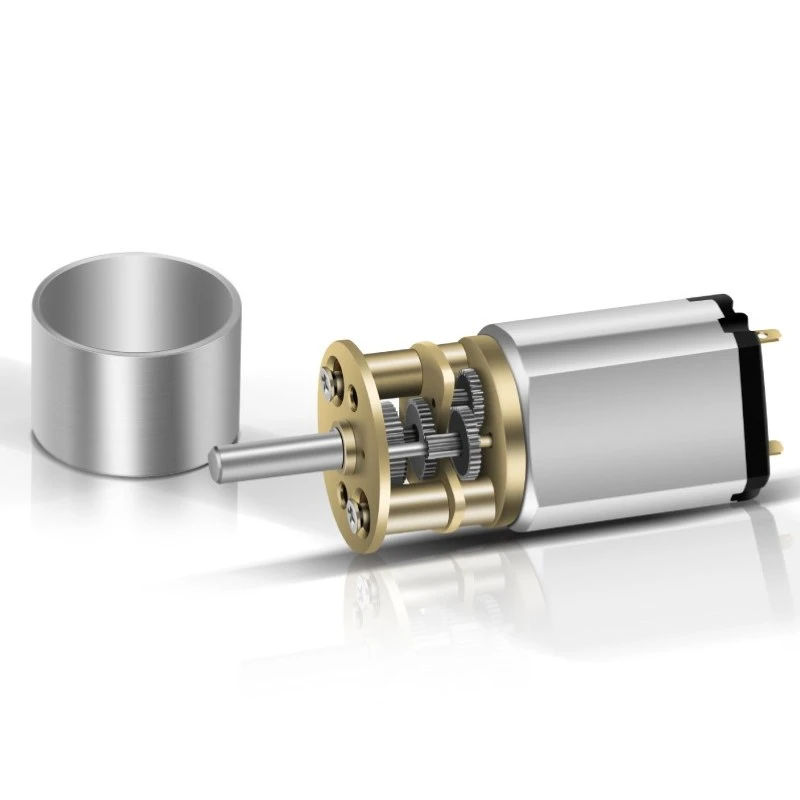
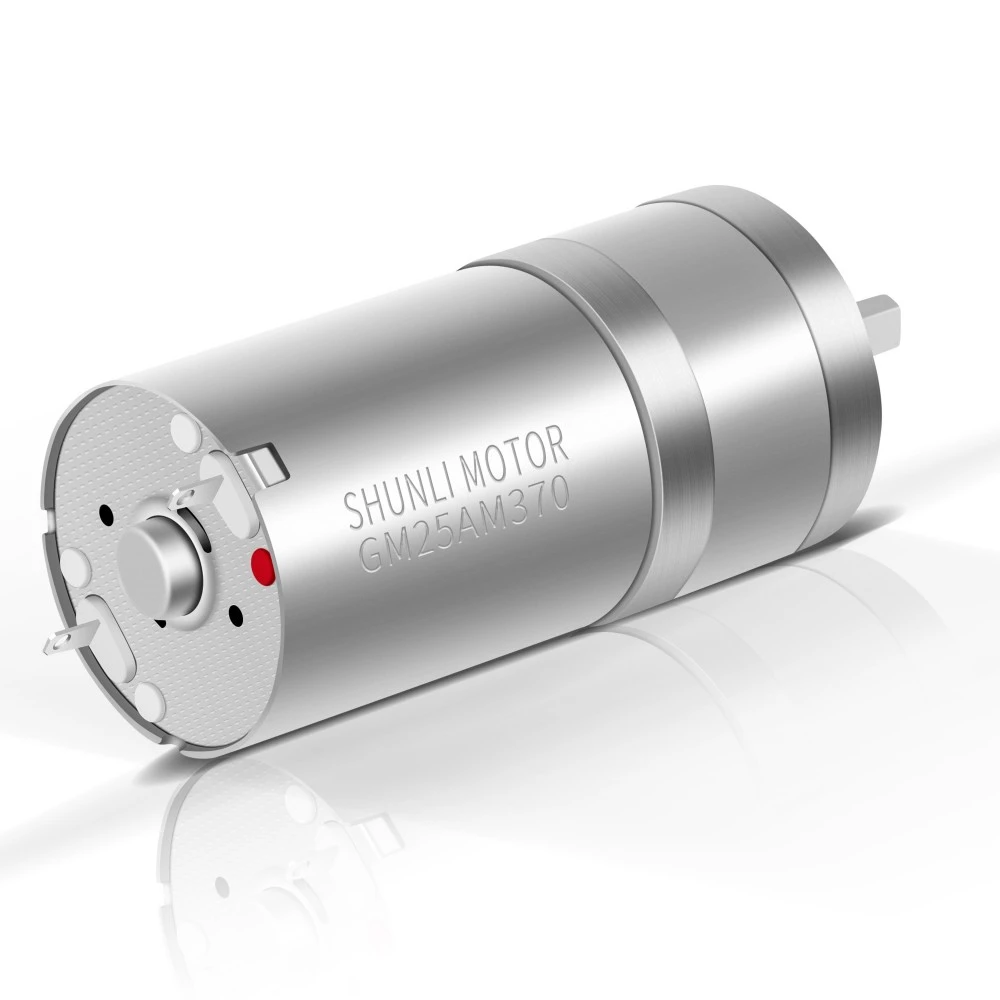
| Spur | Simple construction and often economical. | May need more space for a comparable reduction. | Cost-sensitive general-purpose drives. |
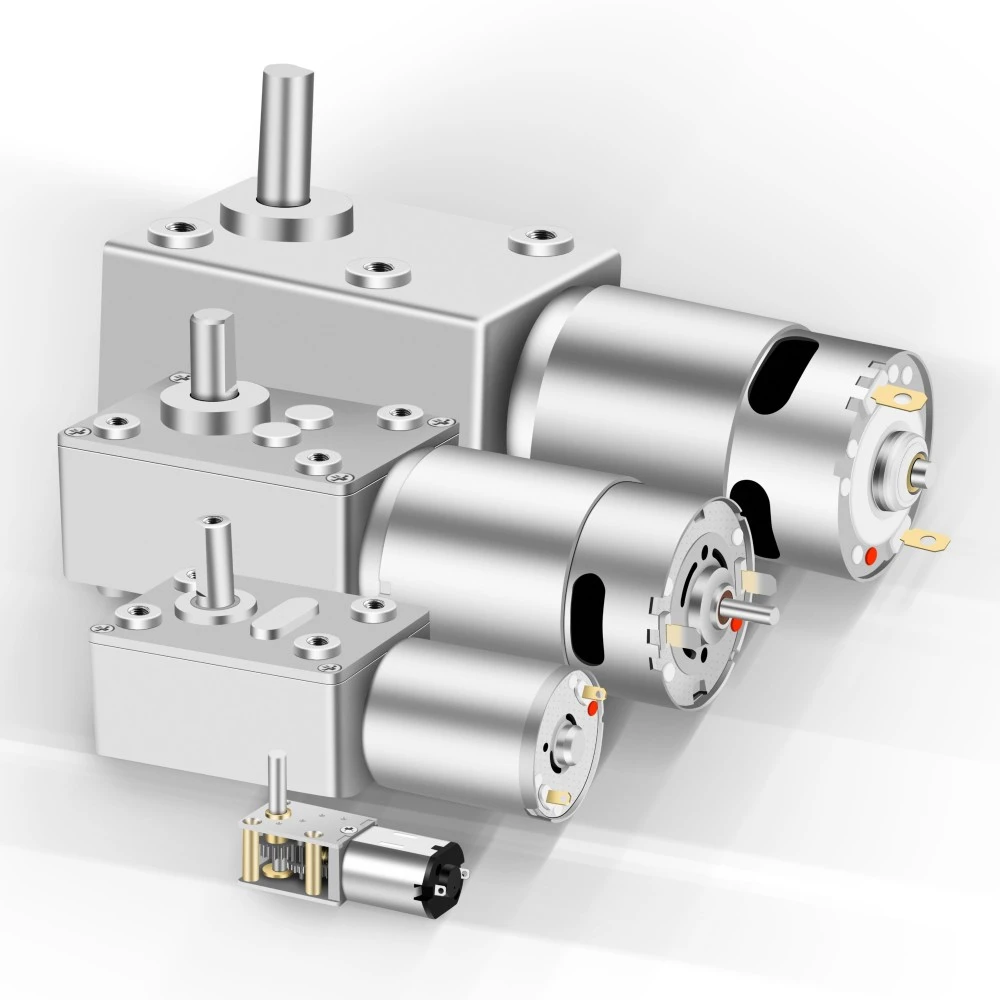
| Worm | Right-angle output and high reduction in one stage. | Efficiency and heat can be concerns in some designs. | Right-angle installations or specific holding needs. |
| Helical | Smooth tooth engagement and quiet running potential. | Configuration can require more installation space. | Continuous drives where smooth operation matters. |
These are general comparisons, not guarantees for every product. Gear geometry, materials, manufacturing tolerances, lubrication, and operating speed can change the result. Request complete technical data for the exact model under consideration.
6. Common Planetary Gear Motor Applications
Planetary gear motors are used where a machine needs controlled output speed and torque in a compact assembly. The required specifications differ by industry, so application names alone are not enough to choose a model.
- Industrial automation: Drives indexing tables, pick-and-place equipment, and automated fixtures.
- Conveyors: Moves products at controlled speeds in packaging and material handling lines.
- Robotics: Supplies compact motion for joints, wheels, and positioning mechanisms.
- Medical and laboratory equipment: Supports controlled movement in devices where size and repeatable operation matter.
- Agricultural and mobile machinery: Drives mechanisms exposed to changing loads and operating conditions.
- Packaging equipment: Runs feed systems, cutters, rollers, and other synchronized machine functions.
Application example: a small conveyor
Consider a conveyor that must move a steady product load at a lower speed than the motor provides. The designer first estimates the required belt speed and load torque, then selects a ratio and motor that can meet those conditions. The designer also checks starts per hour, running time, installation orientation, ambient temperature, and the force placed on the output shaft.
If the conveyor starts under a heavy load, starting torque and acceleration become important. If it runs for long shifts, continuous thermal performance matters. A compact gearbox can save space, but it cannot compensate for an undersized motor or incorrect load calculation.
7. How to Select the Right Planetary Gear Motor
Use a clear selection process before requesting a quotation. Sharing the actual operating requirements helps a supplier recommend a model that fits the machine instead of relying on an incomplete description such as small motor or high torque.
- Define the load: Estimate continuous torque, starting torque, peak load, and any shock loads.
- Set output speed: State the required shaft speed and the acceptable speed range.
- Choose a motor supply: Provide voltage, current limits, power source, and control method.
- Estimate the ratio: Relate motor speed to target output speed, then account for operating conditions.
- Check duty and heat: Specify run time, starts per hour, ambient temperature, and cooling conditions.
- Confirm mechanical fit: Provide available space, mounting details, shaft dimensions, and load direction.
- Check protection needs: Identify dust, moisture, vibration, corrosion, and other environmental risks.
- Review performance data: Confirm rated torque, peak torque, efficiency, backlash, noise, and service conditions.
Information to send to a supplier
A useful inquiry includes a drawing or installation sketch, required output speed, estimated load, operating schedule, power supply, and annual quantity. Include the target equipment and environment as well. For a custom application, explain how the load changes during startup and normal operation.
Shunli Motor can use these details to discuss planetary gear motor options for overseas buyers and distributors. A clear technical brief helps both sides compare models on the same basis and identify any design questions before sampling or production.
8. Installation, Maintenance, and Frequently Asked Questions
Installation and maintenance checklist
Install the motor on a stable, aligned mounting surface. Avoid forcing the output shaft into a coupling, as side loads or misalignment can damage bearings. Use a coupling and mounting arrangement suited to the expected torque, speed, and load direction. Follow the product instructions for wiring, lubrication, and installation orientation.
During service, check for unusual noise, vibration, heat, loose fasteners, leakage, and changes in output performance. Keep the gearbox clean and use only the lubricant and maintenance intervals specified for the model. Stop the equipment if an abnormal condition appears, then identify the cause before returning it to service.
Is a planetary gear motor more efficient?
Efficiency varies by motor type, gearbox stage count, ratio, load, speed, and lubrication. A planetary design can perform well in a suitable operating range, but it is not always more efficient than other gear types. Compare measured efficiency at the expected working point, not just a general product claim.
Does a higher ratio always mean more output torque?
A higher reduction ratio generally lowers output speed and can increase available output torque, after accounting for gearbox losses. The motor, gear stage, and thermal rating still limit the usable torque. Select from the rated data rather than assuming any ratio will support any load.
Can a planetary gear motor run continuously?
Many models are designed for continuous operation, but suitability depends on the motor rating, gearbox load, speed, ambient conditions, and cooling. Confirm the continuous duty rating for the exact configuration. A unit suitable for intermittent motion may overheat during a long production shift.
What should buyers compare when requesting quotations?
Compare the same ratio, output speed, rated and peak torque, motor voltage, duty rating, shaft and mounting dimensions, protection level, and warranty terms. Also ask about production lead time, sample availability, customization, inspection, and packaging. Consistent specifications make supplier offers easier to evaluate.
Conclusion
A planetary gear motor combines a motor with a compact sun, planet, and ring gear arrangement to provide controlled output speed and useful torque. Its concentric layout and range of ratios make it a strong option for automation, conveyors, robotics, packaging, and mobile machinery. The best choice depends on load, speed, duty cycle, installation, and environment. Define those needs first, then compare complete product data with support from a qualified manufacturer such as Shunli Motor.
 Youtube
 Tiktok
 Linkedin
 Instagram
 Facebook
 WhatsApp
 WeChat