DC Worm Gear Motor GM1220EMN
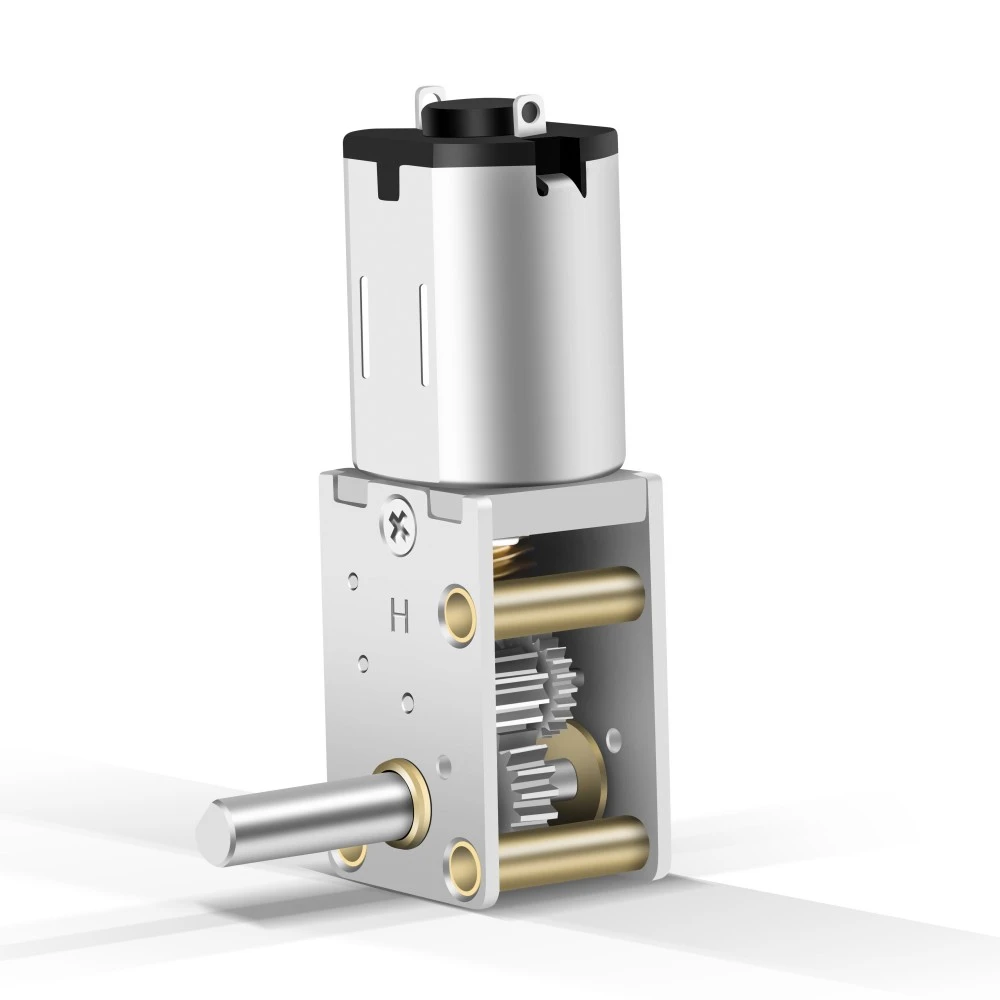
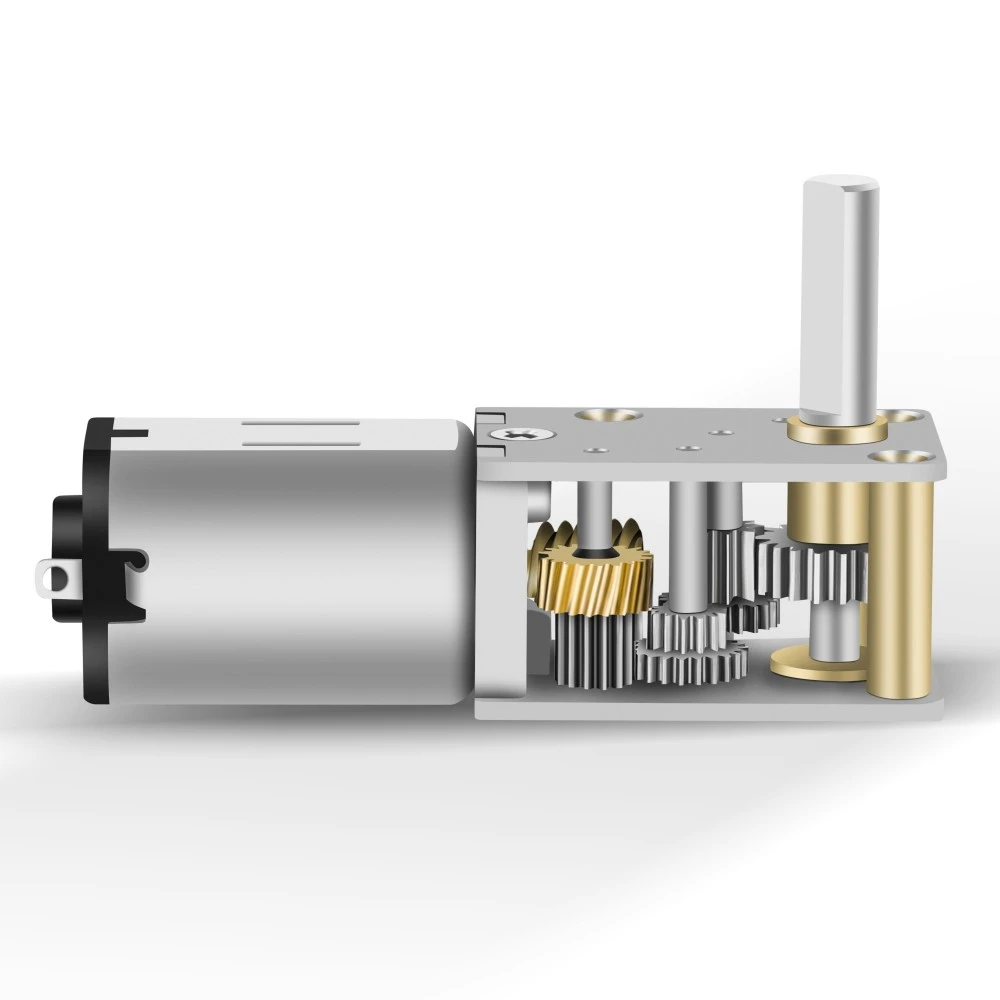
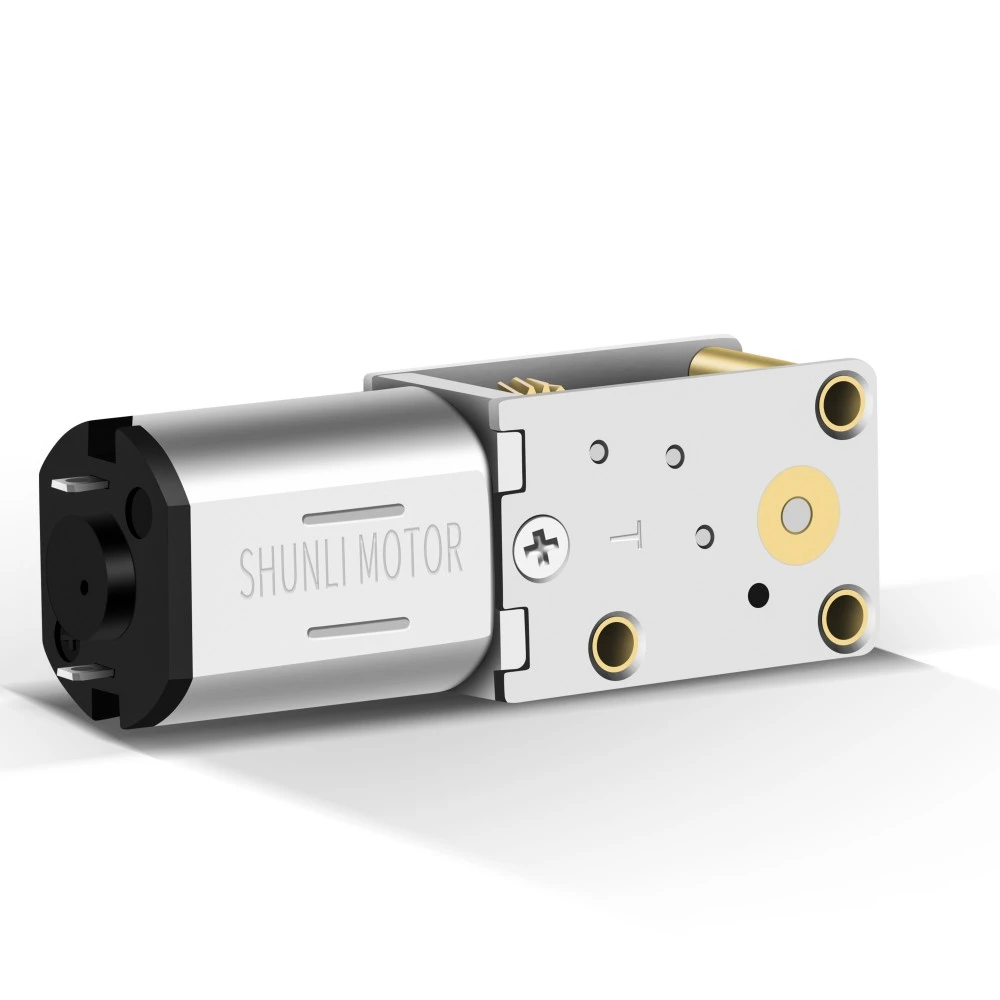
The GM1220EMN Series DC Gear Motor is a compact micro geared drive designed for miniature transmission systems that require small installation space, stable low-speed output, and practical torque performance. This series is suitable for compact locking, small actuators, miniature transmission modules, and other space-constrained drive mechanisms. Final model selection should be based on the required voltage, target output speed, allowable current, load torque, and duty cycle.
Product Overview
The GM1220EMN Series DC Gear Motor is a compact micro geared drive designed for miniature transmission systems that require small installation space, stable low-speed output, and practical torque performance. This series is suitable for compact locking, small actuators, miniature transmission modules, and other space-constrained drive mechanisms. Final model selection should be based on the required voltage, target output speed, allowable current, load torque, and duty cycle.
Model Information
| Model | Motor Platform | Rated Voltage | Product Category |
| GM1220EMN20-95K | 1220 PMDC Motor | 4.5 VDC | DC Gear Motor |
| GM1220EMN30-1007K | 1220 PMDC Motor | 12 VDC | DC Gear Motor |
Main Parameters
Gearmotor Technical Data
| Gearmotor Model | Rated Voltage | No-Load Speed (RPM) |
No-Load Current (mA) |
Rated Speed (RPM) |
Rated Current (mA) |
Rated Torque* | Stall Current* (mA) |
Stall Torque* |
| GM1220EMN20-95K (1:95) | 4.5 VDC | 145 | ≤70 | 122 | ≤200 | 8 / 80 | ≤700 | 75 / 750 |
| GM1220EMN30-1007K (1:1007) | 12 VDC | 25 | ≤90 | 22 | ≤230 | 120 / 1200 | ≤400 | 420 / 4200 |
Gearmotor Series Reference Data
| Series Parameter | Specification |
| Reference Models | GM1220EMN20-95K / GM1220EMN30-1007K |
| Reduction Ratio | 1:95 / 1:1007 |
| Rated Voltage | 4.5 VDC / 12 VDC |
| Rated Torque | 8 mN·m / 80 gf·cm to 120 mN·m / 1200 gf·cm |
| Stall Torque | 75 mN·m / 750 gf·cm to 420 mN·m / 4200 gf·cm |
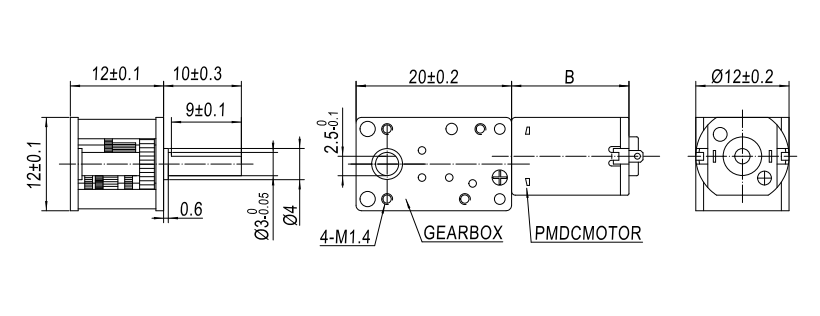
Dimension Drawing
Main Applications
Industrial Automation
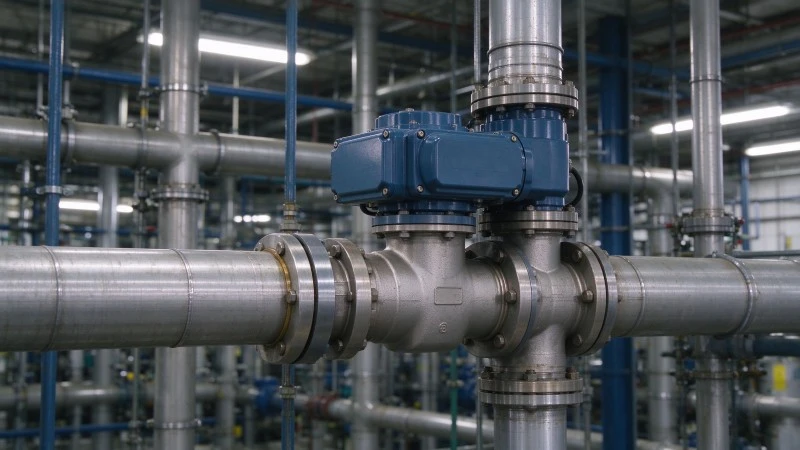
Industrial valves, dampers, gates, low-speed rotary platforms, adjustment mechanisms, and compact actuators requiring right-angle transmission.
Focus: Match starting torque, continuous torque, duty cycle, temperature rise, lubrication, and emergency manual-release requirements. Continuous high-load operation must be validated thermally.

Smart Home & Appliances
Electric doors/windows, smart blinds, smart valves, furniture adjustment, kitchen/bathroom appliances, pet equipment, and automatic opening/closing or lifting mechanisms.
Focus: Balance low noise, current consumption, motion smoothness, and holding performance. Validate frequent start/stop, reversing, long standstill, abnormal stall, and restart in the customer’s actual mechanism.

Commercial & Office Equipment
Electric lifting mechanisms, vending-machine gates, smart cabinet locking/actuation, display lifting, automatic flaps, and other compact opening/closing mechanisms.
Focus: For unattended equipment, validate long-term standstill restart, humidity, lubrication aging, jam recovery, abnormal power interruption, and reverse-holding requirements.

Medical Auxiliary Equipment
Nursing-bed, medical-chair, lifting, positioning, and adjustment mechanisms where low-speed torque or right-angle transmission is needed.
Focus: Any function related to patient safety requires system-level risk control. Reverse holding must be tested, and independent mechanical locking, limit, brake, or protection mechanisms may be required.
Smart Agriculture & Gardening
Ventilation/adjustment mechanisms, irrigation-related actuators, greenhouse opening/closing systems, feeding mechanisms, and equipment height or angle adjustment.
Focus: Evaluate moisture, dust, corrosion, temperature change, vibration, shock, long standstill, abnormal jam, and shaft/interface protection at the complete-product level.
AI & Service Robotics
Low-speed lifting, rotary stages, compact joints, and mechanisms that benefit from right-angle packaging and position holding.
Focus: Worm gearing has sliding friction, so battery-powered systems should calculate energy consumption and temperature rise from the real motion cycle. It may not be the best choice for high-speed or high-efficiency axes.
Automotive Electronics
Window, sunroof, seat, and other actuator concepts requiring right-angle transmission and load holding, subject to automotive-grade validation.
Focus: Anti-pinch or safety functions cannot be achieved by the gearmotor alone. Current sensing, position feedback, control logic, mechanical protection, temperature testing, vibration testing, and life validation are system responsibilities.
Customization Range
Electrical Configuration
Rated voltage, motor platform, winding configuration, rotation direction, lead wire, terminal, and connection requirements.
Performance Matching
Target output speed, reduction ratio, continuous/starting/peak torque, current limit, duty cycle, and operating pattern.
Mechanical Interface
Output direction, shaft shape and length, mounting holes/interface, bracket, bearing/sleeve selection, and gear material.
Feedback & Functional Options
Encoder, Hall/position feedback, limit switch, or related functional modules can be evaluated according to the control architecture.
Noise, Thermal & Reliability Optimization
Gear meshing, lubrication, transmission clearance, temperature rise, stall/overload, reversing, long standstill restart, and target service life can be optimized and validated for the complete product.
Holding & Emergency Requirements
Reverse-holding behavior and manual-release requirements can be evaluated. Safety locking should be handled with appropriate system-level mechanical and control protection.
FAQ
Q1. What applications are best suited for DC worm gear motors?
Worm gear motors are well suited for applications that require right-angle output, high reduction ratios, low-speed high-torque operation, or load-holding capability after the motor stops. Typical applications include valves, windows and doors, lifting mechanisms, opening and closing systems, adjustment mechanisms, locking devices, rotary platforms, and other low-speed actuators.
If the application places a higher priority on efficiency, high-speed operation, frequent rapid reversing, or fast dynamic response, a spur gear, planetary gear, or other drive solution may be more appropriate.
Q2. How do you balance output torque, efficiency, speed, and temperature rise?
A higher reduction ratio can generally provide lower output speed and higher output torque, but it can also increase sliding friction, reduce transmission efficiency, and raise operating temperature.
The motor and gear ratio should therefore be selected based on the continuous load, starting load, operating time, duty cycle, and allowable current. For continuous-duty or high-load applications, temperature rise, efficiency, and service life should be validated in the complete product rather than relying only on no-load data.
Q3. How can reliability risks from stalling, reverse loads, and long-term operation be reduced?
Normal operating torque, starting torque, stall torque, and external reverse-impact loads should all be evaluated during selection and validation. For mechanisms that may jam or overload, protection methods such as current detection, action timeout, limit switches, reverse-recovery logic, or mechanical buffering should be considered.
For long-term use, testing should also cover gear wear, lubrication condition, bearing load, temperature rise, reversing impact, and restart performance after extended periods of inactivity.
Q4: What information should I provide for a faster quotation and technical evaluation?
Please provide the operating voltage, torque, and target speed. If complete parameters are not available, an existing motor sample, prototype, or mechanism drawing can be used for initial evaluation.
Q5: How do I place an order with Shunli Motor?
Please send us your application requirements or motor specifications. Our engineering team will develop a suitable solution, confirm the technical details, and provide samples for evaluation. Once the samples are approved, we will arrange mass production. Shipping methods can be selected based on your delivery requirements.
Product Categories
Enable Customized Solutions to Be Implemented Faster
Whether you're in the product concept, prototype development, or mass production phase, Shunli Motors can help you find the right micro geared motor drive solution based on your specific application needs.
Submit your product requirements now and get selection advice from our engineers.
Related Products
The Spur Gear Motor combines a DC motor with a multi-stage spur gearbox to provide a mature, efficient, and cost-effective drive solution for compact transmission mechanisms. Its simple gear structure supports flexible ratio, shaft, and mounting customization, making it suitable for smart home devices, commercial equipment, automotive actuators, smart landscaping systems, and industrial automation. It is a practical choice for projects that need a balance of output speed, torque, reliability, manufacturability, and cost.
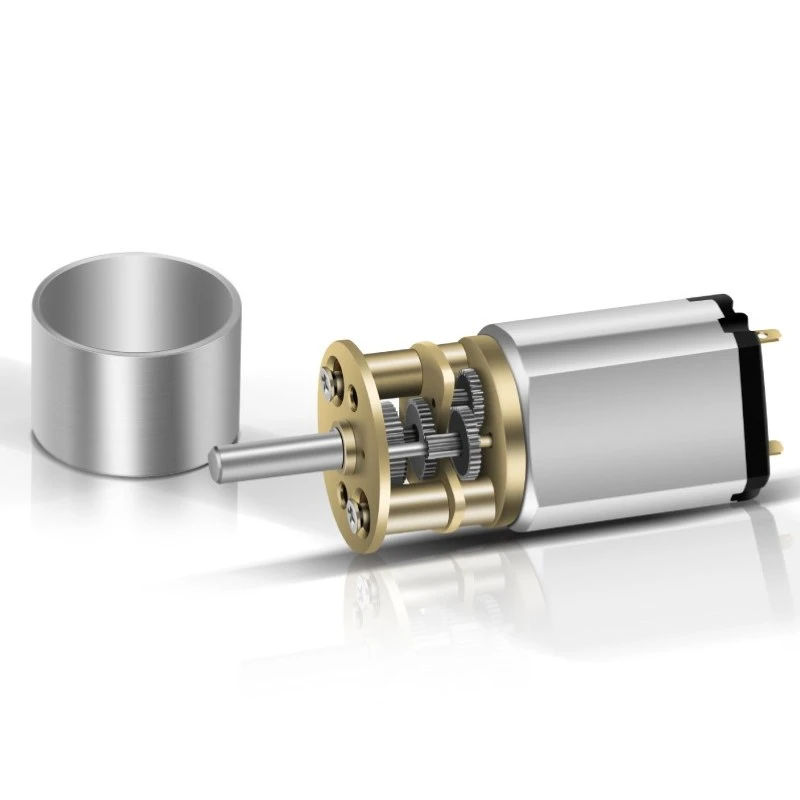
The GM12 Series is a compact 12 mm-class DC spur gear motor platform developed for miniature mechanisms that require efficient speed reduction, controlled output, and cost-effective integration in limited space.
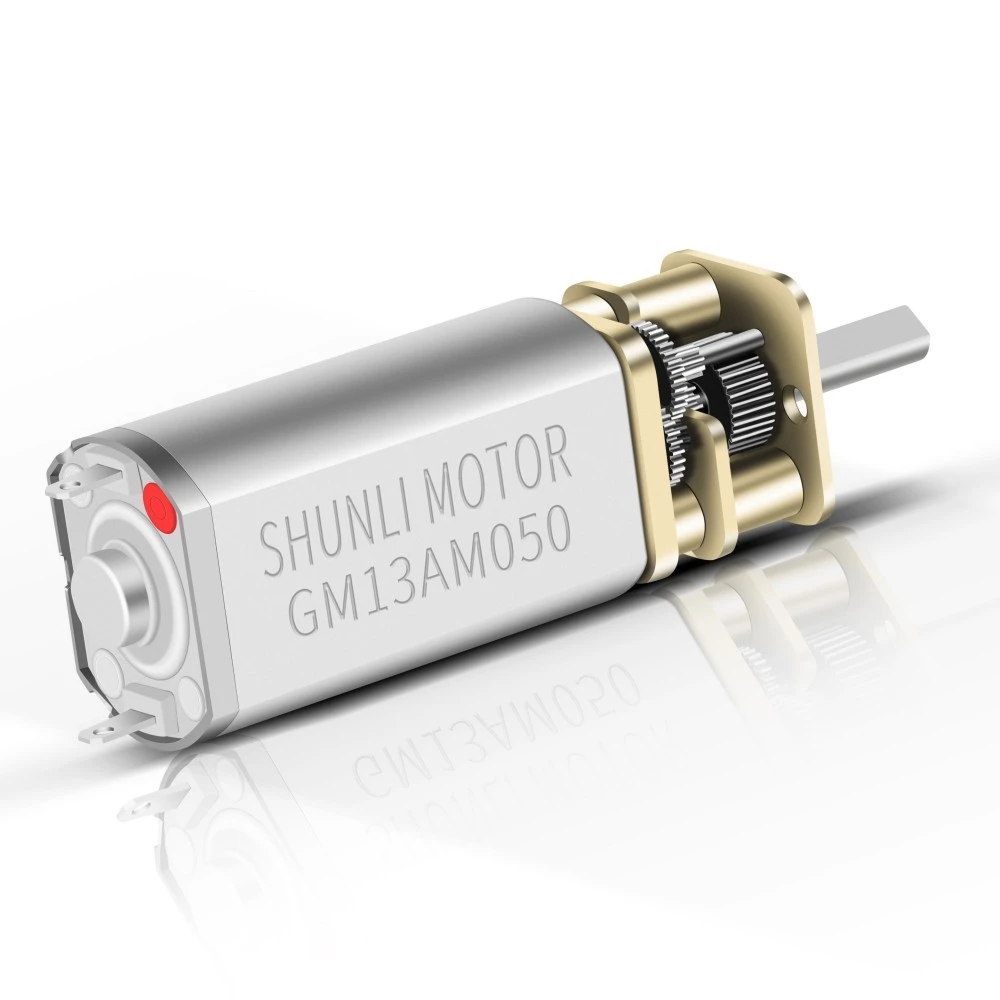
The GM13AM Series is a compact 13 mm-class DC spur gear motor designed for miniature mechanisms that require efficient speed reduction, stable low-speed output, and cost-effective transmission in a limited installation space.
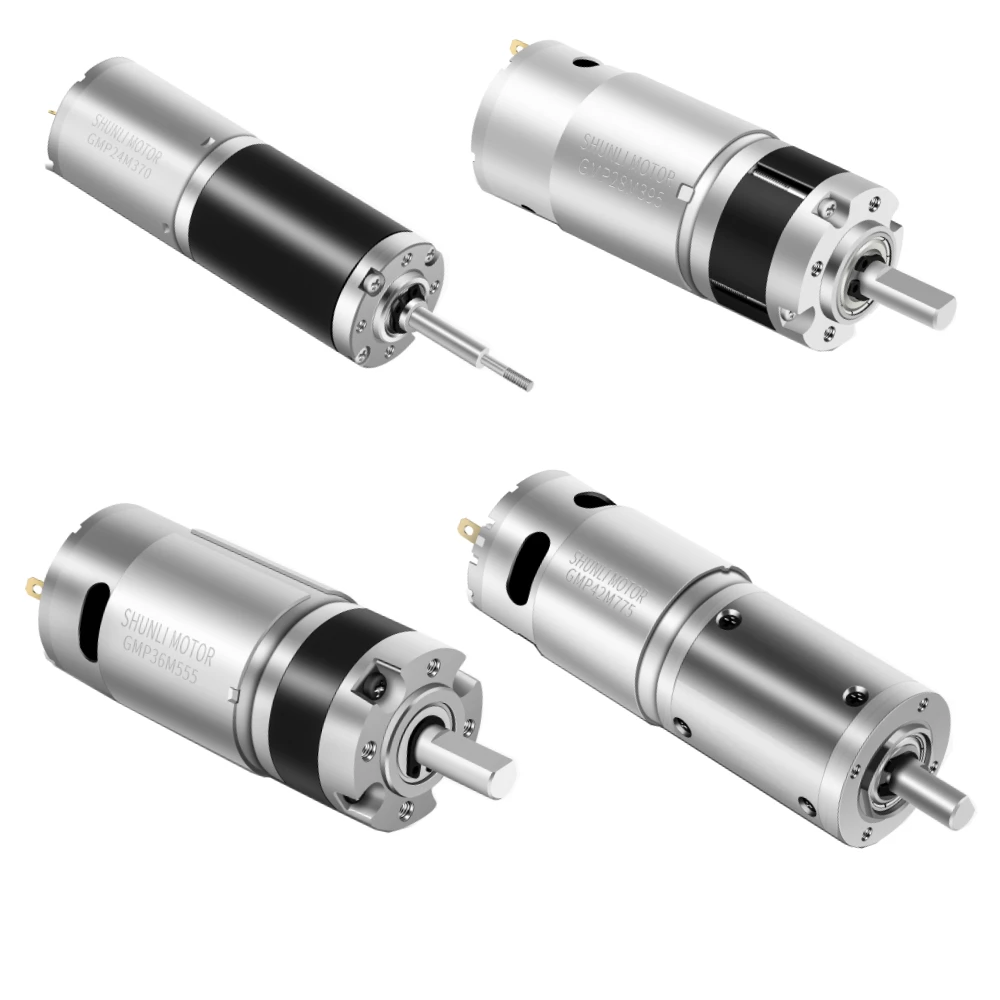
The Planetary Gear Motor uses a compact coaxial planetary gearbox to deliver higher torque density and stable transmission within limited installation space. Multiple planet gears share the load, making the structure suitable for applications that require compact size, reliable load handling, and frequent start-stop or reversing motion. It is widely used in robotics, medical equipment, industrial automation, automotive actuators, precision mechanisms, and other compact motion systems. Final selection should consider output speed, continuous and peak torque, duty cycle, backlash, current, and installation requirements.
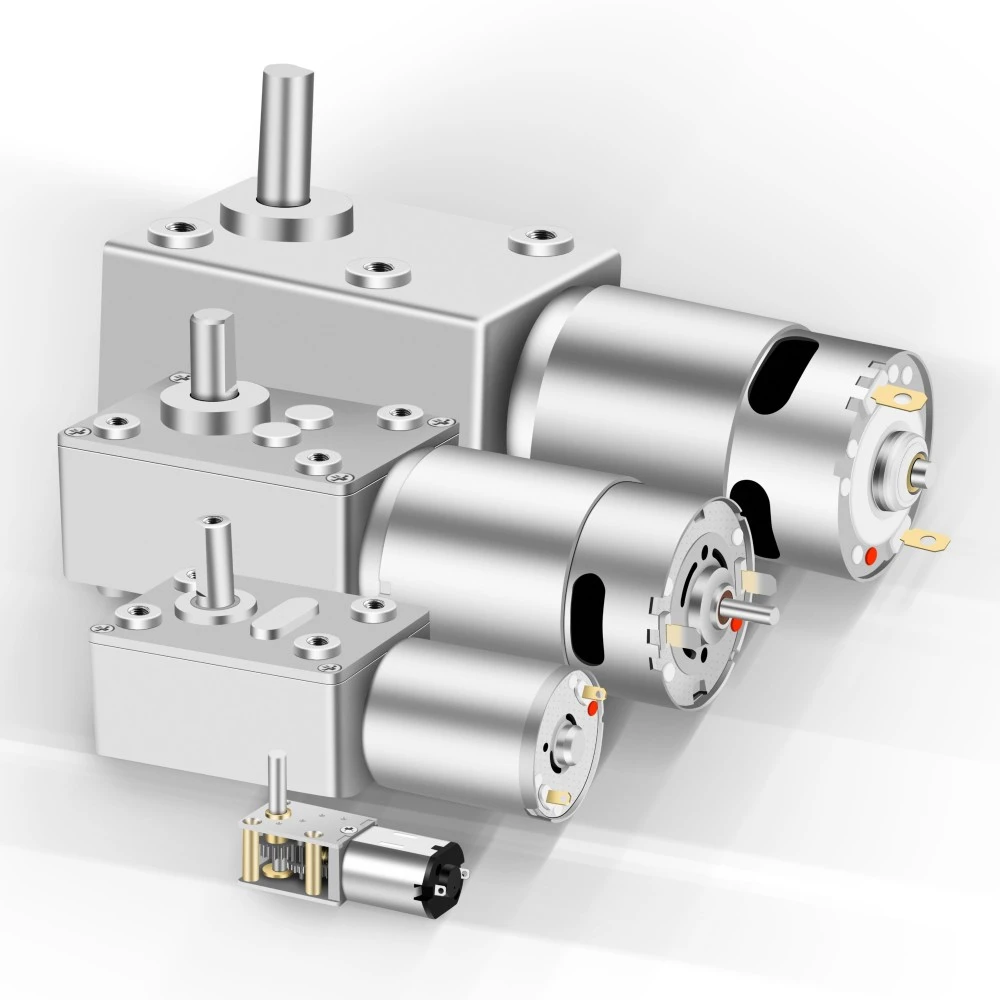
The DC Worm Gear Motor combines a DC motor with a worm gearbox to provide right-angle transmission, high reduction ratios, low-speed output, and strong load-driving capability in a compact structure. Its 90° output arrangement is well suited to valves, lifting and adjustment mechanisms, doors and windows, vending equipment, and other actuators where space layout or load-holding performance is important. Depending on the gear geometry and operating conditions, some worm gear designs may provide holding or self-locking characteristics, which should be verified for the actual application.
The GM16 Series is a compact 16 mm-class DC spur gear motor platform designed for miniature transmission systems that require efficient speed reduction, controlled low-speed output, cost-effective construction, and repeatable mass production.
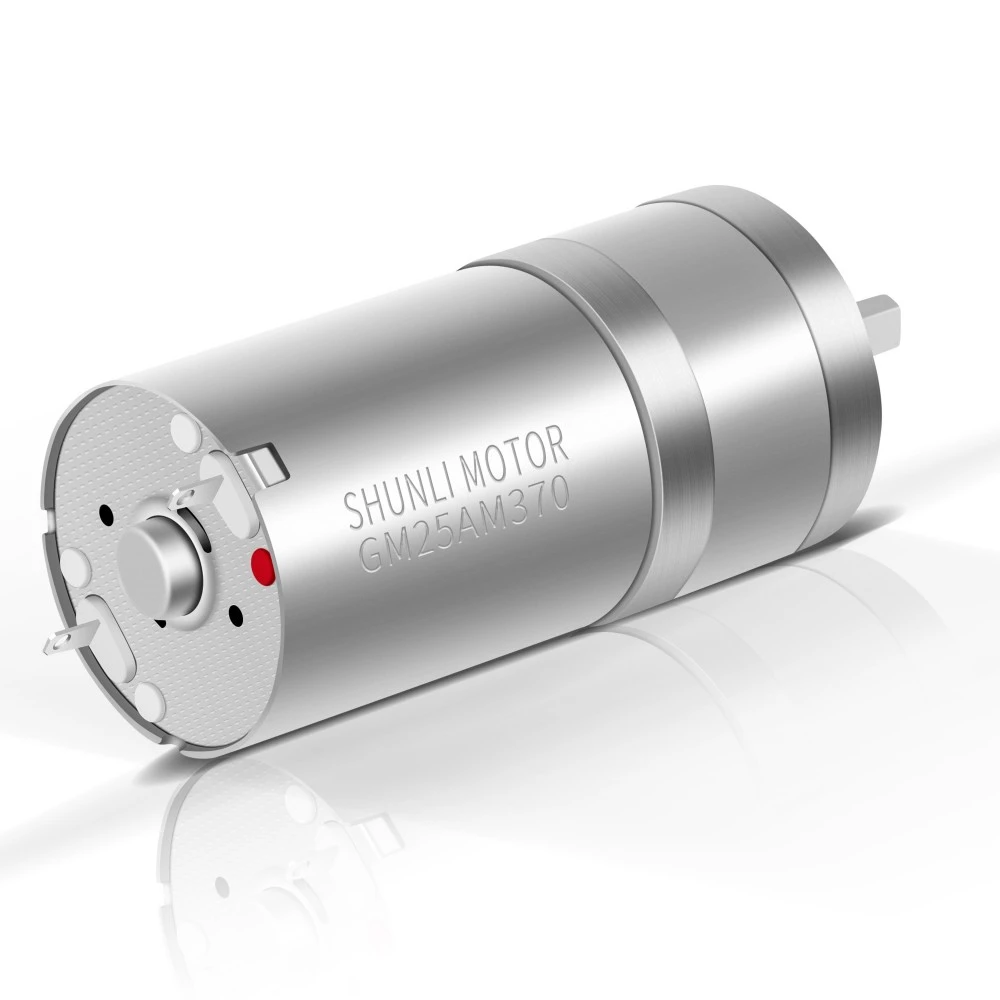
The GM25AM310/370 is a 25 mm-class DC spur gear motor platform combining a compact multi-stage gearbox with PMDC 310 or 370 motors. The supplied technical data covers gearbox options from 3 to 8 stages, multiple reduction ratios, and two reference gearmotor configurations: GM25AM310-217K at 3 VDC and GM25AM370-99K at 12 VDC.
The GM24 Series is a compact 24 mm-class DC spur gear motor platform developed for small transmission mechanisms that require efficient speed reduction, stable output, and cost-effective mass production.
Navigation
Navigation
Product Categories
Product Categories
Contact Us
Get in Touch
Get in Touch
Request a Quote


 Youtube
 Tiktok
 Linkedin
 Instagram
 Facebook
 WhatsApp
 WeChat