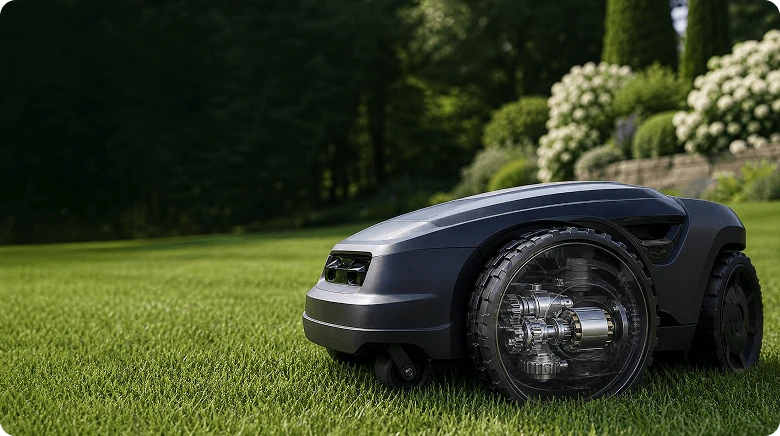
Intelligent Agriculture and Gardening Micro Gear Motor Solution
Shunli Motor provides customized outdoor micro drive solutions for intelligent agriculture and gardening equipment, focusing on matching actual operating conditions such as high starting torque, waterproof and dustproof interfaces, impact from mud, sand, and grass clippings, high and low temperatures, low battery levels, and cycle life.
Solution Capabilities:
Supports collaborative development of micro motors + gearboxes + encoders/drives.
Why choose Shunli Motor
Shunli Motor specializes in the development of micro geared motors and gear transmissions, supporting everything from requirements review and sample iteration to project testing and mass production implementation. This page only displays verifiable engineering and quality evidence directly relevant to the industry.
01
R&D and Manufacturing
Collaborative development of motors, gearboxes, precision gears, output interfaces, assembly, and testing.
02
Verification Capabilities
Demonstrating load, temperature rise, noise, lifespan, environmental, or industry-specific testing equipment and sample reports.
03
Mass Production Consistency
Critical dimensions, materials, performance windows, final inspection points, batch traceability, and change control.
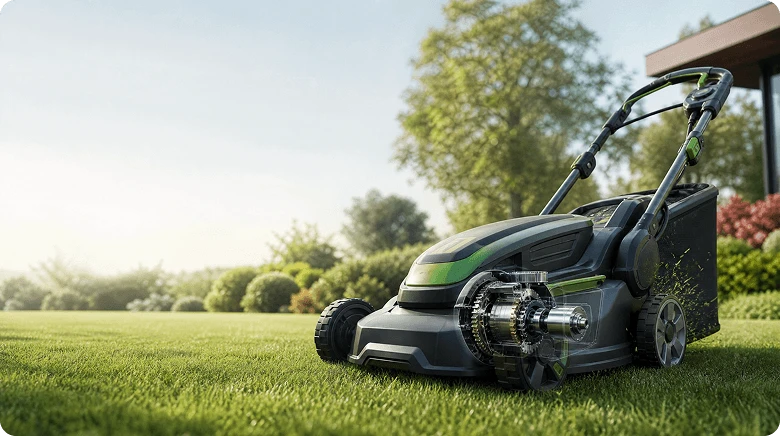
How can be used in smart agriculture and landscaping?
The reliability of outdoor miniature geared motors depends on more than just torque. Selection requires defining factors such as water and dust entry points, whether the equipment is submerged, temperature and UV exposure, mud/grass impact, starting and jamming loads, low battery levels, duty cycles, and maintenance conditions.
IP ratings are test results specific to the package and interface; off-grid devices also need to balance efficiency, peak current, operating time, and standby power consumption.
Related Applications
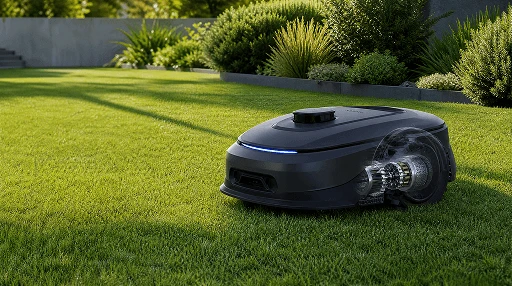
Priority Concerns: Cutting load, wheel-end torque, hill climbing and obstacle crossing, anti-tangling, water and dust resistance, battery life and temperature rise.

Opening/closing torque, sealing resistance, low power consumption, water and corrosion resistance, actuation angle, stall protection and long-term static reliability.

Motion Tasks: Nozzle rotation, pitch adjustment, zone switching and spray angle control.
Solves Agricultural and Horticultural Drive Challenges
Compact Structure Matched to Complex Loads
Based on equipment weight, slope, cutter head resistance, and installation space, a high-torque reduction scheme is matched to improve issues such as weak climbing ability, cutter head jamming, and insufficient load capacity.
Lock Risk and Operational Stability
Optimized starting torque and transmission strength for equipment start-up, shutdown, steering, and obstacle impact conditions, while reducing gear noise and abnormal vibration.
Lifespan Under Complex Outdoor Conditions
Optimized geared motor selection, gear structure, and protective design to address grass clippings, dust, moisture, vibration, and load fluctuations, improving reliability in outdoor operation.
Collaborative Development of Micro Motor + Gearbox + Encoder/Drive Components
The development involves a combined review of the motor, gearbox, output interface, feedback, and connection methods, considering factors such as mechanism, cycle time, space, power supply, control, and environment. Customization conclusions will be based on project specifications, samples, and mutually agreed-upon verification conditions.
Customization Item 1
Drive Architecture: Selection of DC, BLDC, coreless, and spur/planetary/worm gears based on load, efficiency, holding capacity, and duty cycle.
Customization Item 2
Mechanical and Protective Interfaces: Output shaft, seals, housing, flanges, wiring harnesses, connectors, and drainage boundaries.
Customization Item 3
Materials: Selection of gear, lubricant, and sealing materials based on temperature, humidity, UV, sediment, grass clippings, fertilizer, and irrigation water contact conditions.
Customization Item 4
Feedback and Recovery: Collaboration of Hall effect sensors, encoders, limit switches, current sensing interfaces, and reverse logic.
Customization Item 5
Energy Matching: Battery/solar voltage, low battery level, peak current, standby, and task power consumption.
Customization Item 6
Environmental Validation: Temperature, Humidity, Water Spray/Immersion, Mud and Dust, Locked Rotor, Shock, Media and Cyclic Testing.
Customization Process
Requirements Input
Mechanism diagram/prototype, load, speed, space, power supply, environment, lifespan, and quantity.
01
Architecture Review
Compare motor platforms, gear configurations, gear ratios, feedback systems, output interfaces, risks and estimated investment.
02
Preliminary Solution
Generate preliminary specifications, interface drawings, sample plan, verification scope and commercial prerequisites.
03
Sampling & Testing
Verify load, temperature rise, noise, stall, positioning, environmental performance and service life on customer’s mechanism.
04
Design Finalization
Freeze critical dimensions, materials, BOM, performance envelope, drawings and acceptance criteria.
05
Pilot Run & Mass Production
Establish process controls, final inspection checkpoints, approved samples, batch traceability and change management.
06
Driving directions that can be prioritized for evaluation in smart agricultural landscaping projects
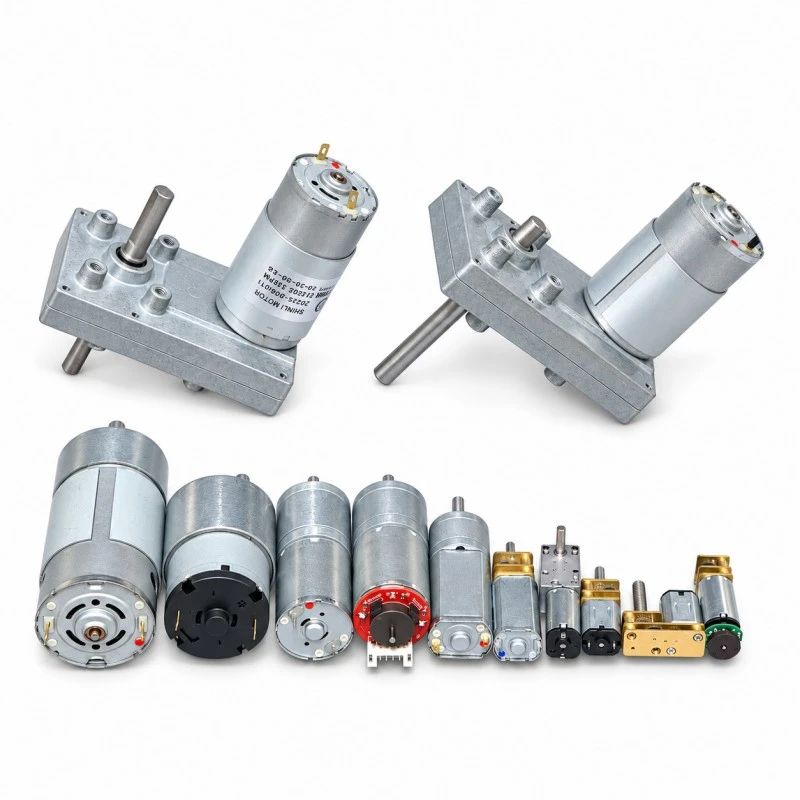
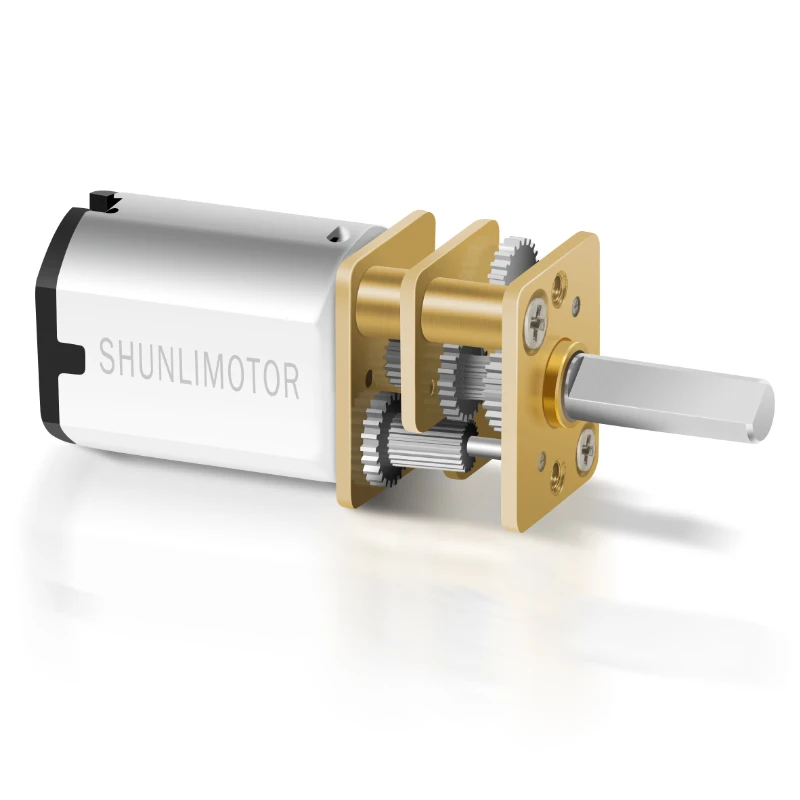
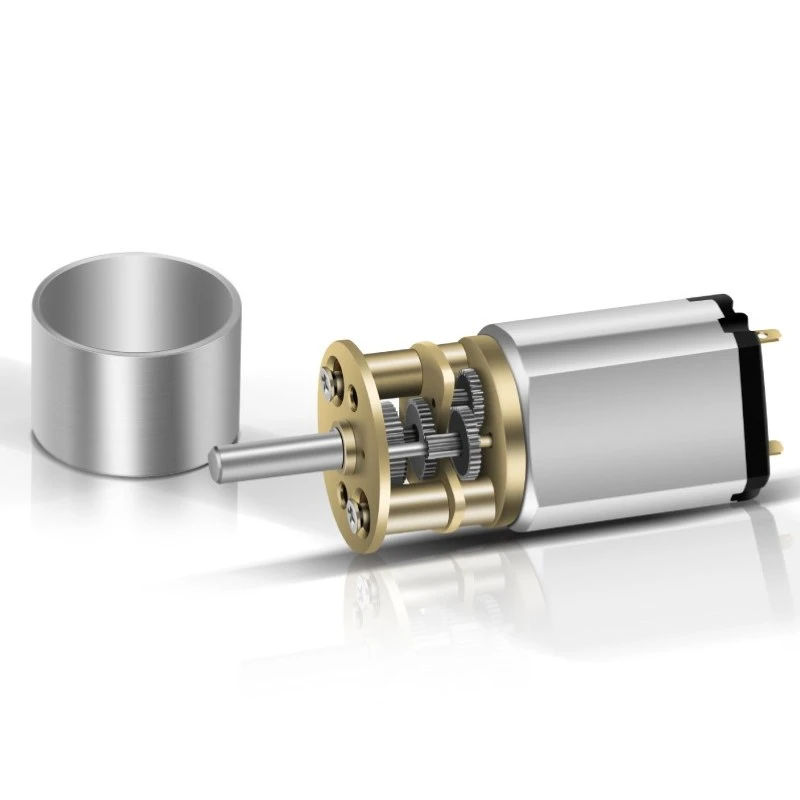
The Spur Gear Motor combines a DC motor with a multi-stage spur gearbox to provide a mature, efficient, and cost-effective drive solution for compact transmission mechanisms. Its simple gear structure supports flexible ratio, shaft, and mounting customization, making it suitable for smart home devices, commercial equipment, automotive actuators, smart landscaping systems, and industrial automation. It is a practical choice for projects that need a balance of output speed, torque, reliability, manufacturability, and cost.
The GM12 Series is a compact 12 mm-class DC spur gear motor platform developed for miniature mechanisms that require efficient speed reduction, controlled output, and cost-effective integration in limited space.
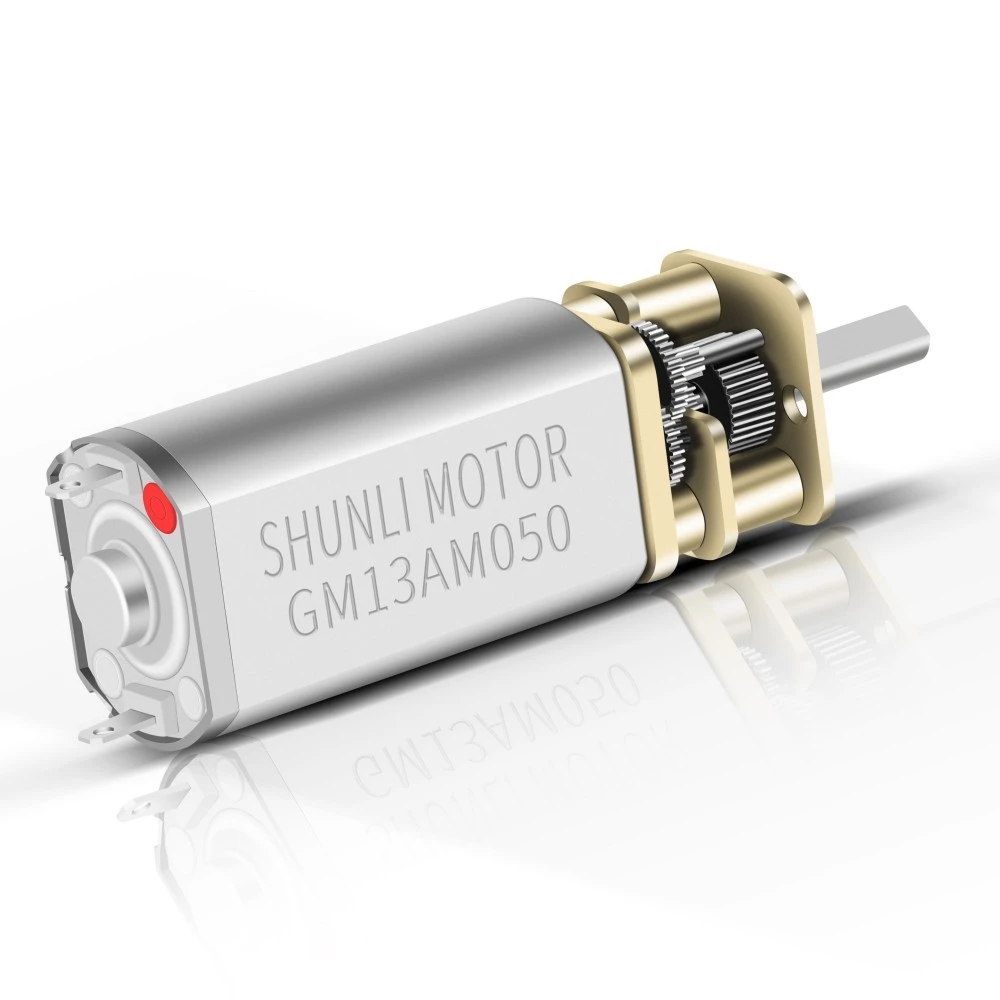
The GM13AM Series is a compact 13 mm-class DC spur gear motor designed for miniature mechanisms that require efficient speed reduction, stable low-speed output, and cost-effective transmission in a limited installation space.
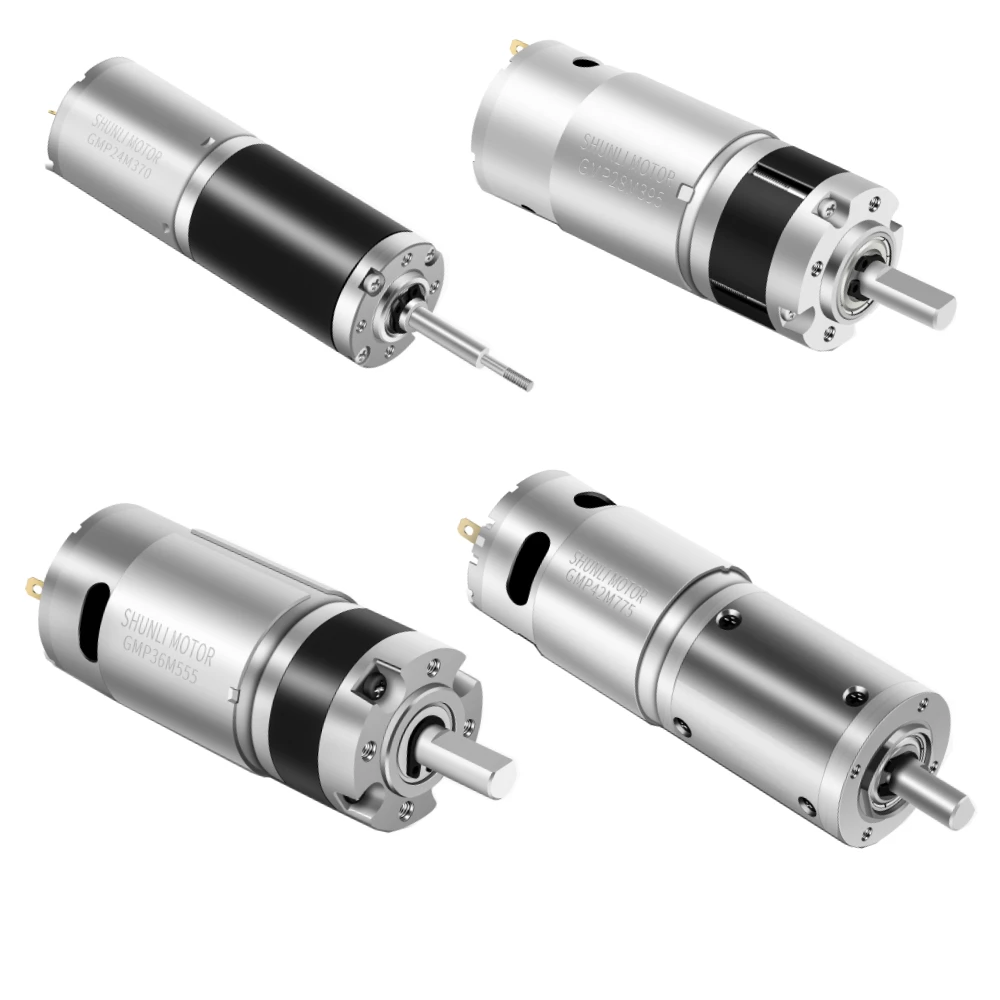
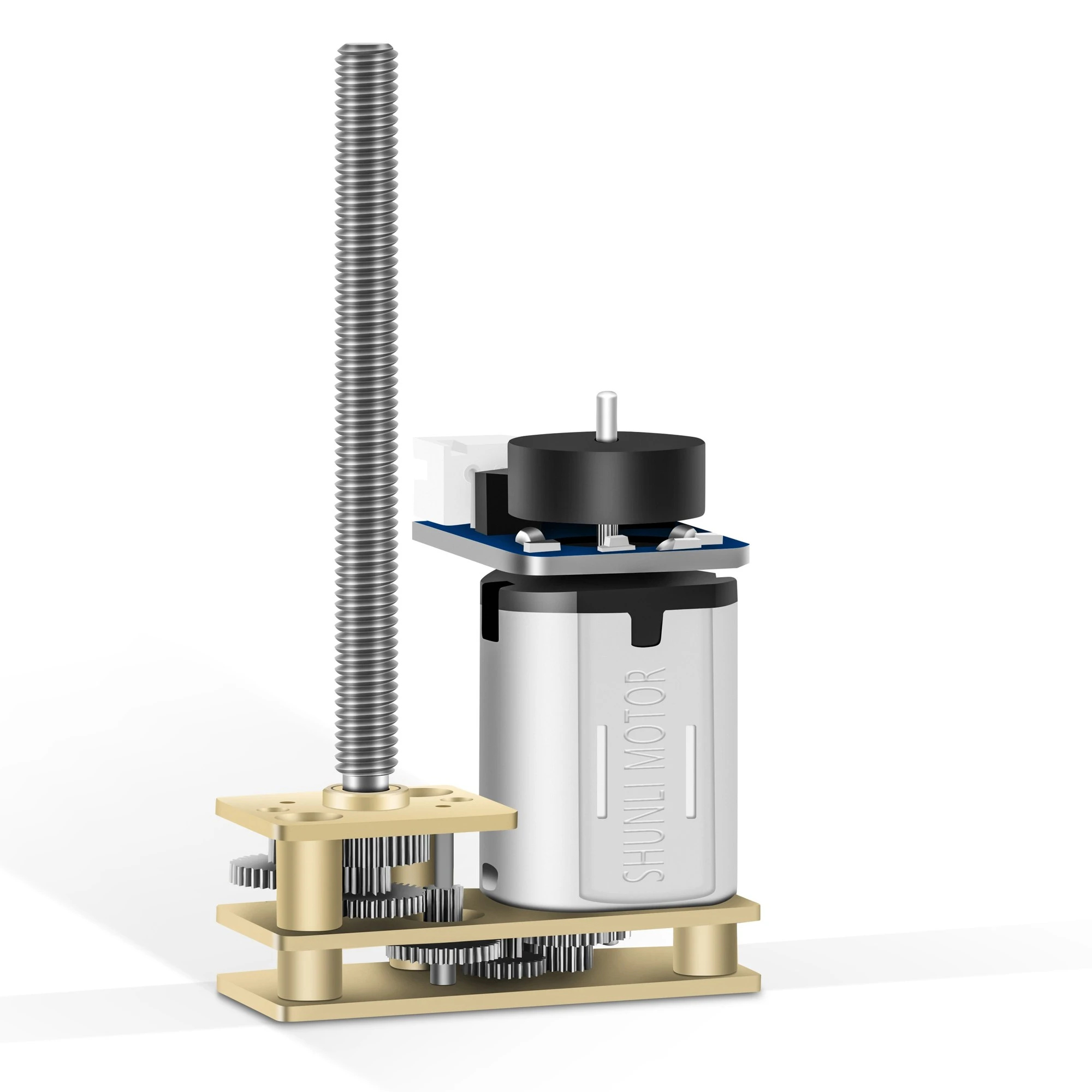
The Planetary Gear Motor uses a compact coaxial planetary gearbox to deliver higher torque density and stable transmission within limited installation space. Multiple planet gears share the load, making the structure suitable for applications that require compact size, reliable load handling, and frequent start-stop or reversing motion. It is widely used in robotics, medical equipment, industrial automation, automotive actuators, precision mechanisms, and other compact motion systems. Final selection should consider output speed, continuous and peak torque, duty cycle, backlash, current, and installation requirements.
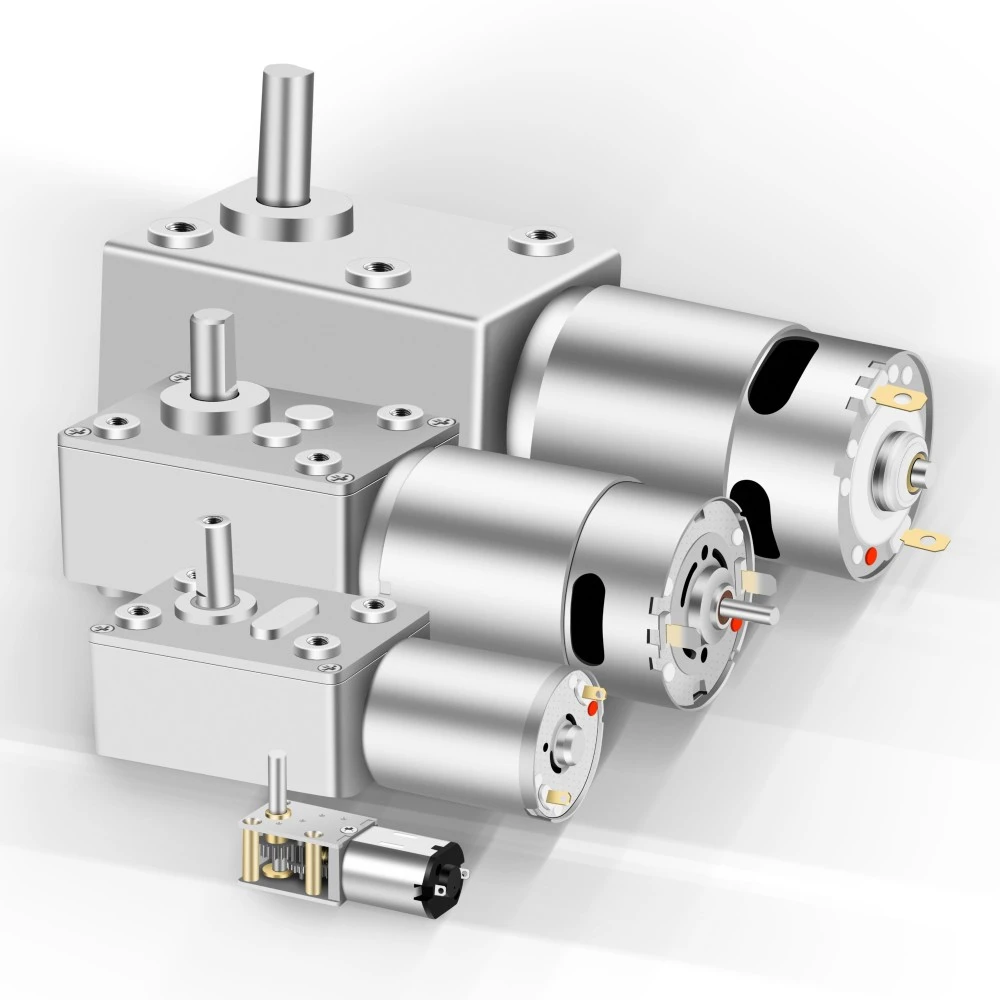
The DC Worm Gear Motor combines a DC motor with a worm gearbox to provide right-angle transmission, high reduction ratios, low-speed output, and strong load-driving capability in a compact structure. Its 90° output arrangement is well suited to valves, lifting and adjustment mechanisms, doors and windows, vending equipment, and other actuators where space layout or load-holding performance is important. Depending on the gear geometry and operating conditions, some worm gear designs may provide holding or self-locking characteristics, which should be verified for the actual application.
The GM16 Series is a compact 16 mm-class DC spur gear motor platform designed for miniature transmission systems that require efficient speed reduction, controlled low-speed output, cost-effective construction, and repeatable mass production.
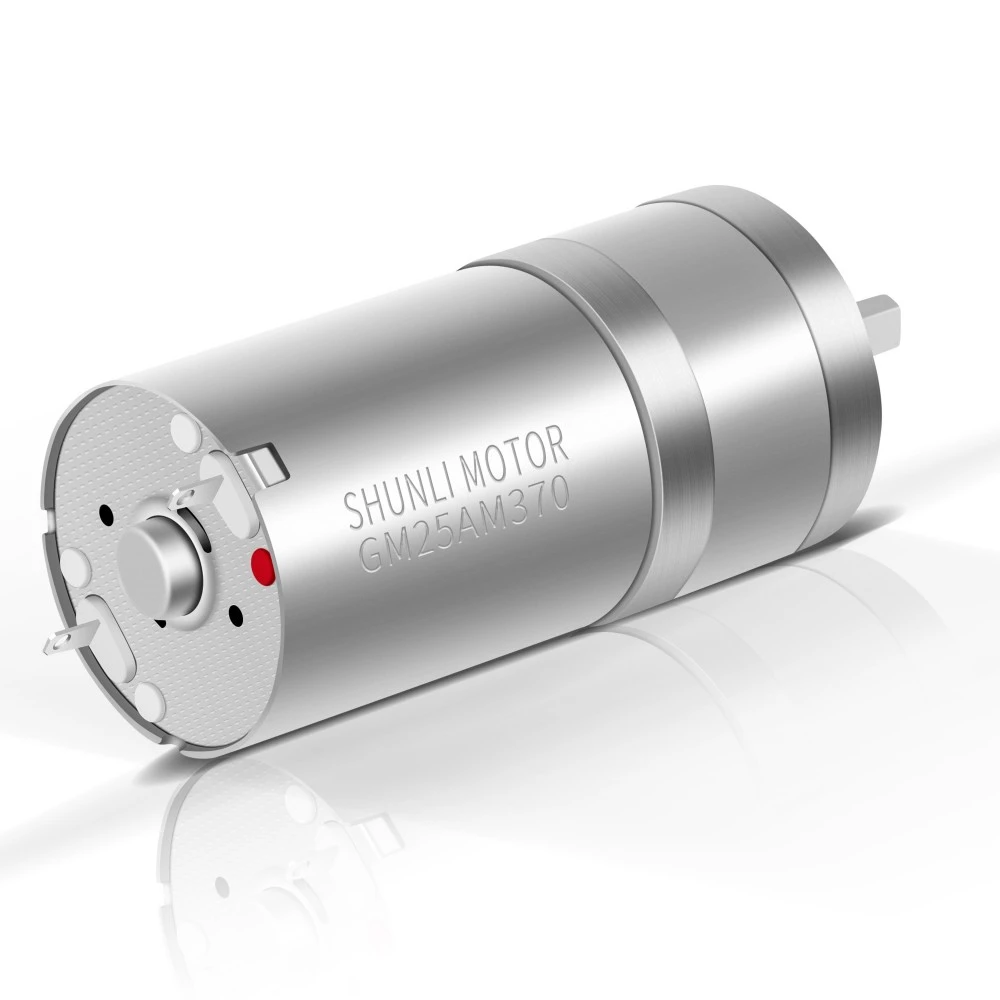
The GM25AM310/370 is a 25 mm-class DC spur gear motor platform combining a compact multi-stage gearbox with PMDC 310 or 370 motors. The supplied technical data covers gearbox options from 3 to 8 stages, multiple reduction ratios, and two reference gearmotor configurations: GM25AM310-217K at 3 VDC and GM25AM370-99K at 12 VDC.
The GM24 Series is a compact 24 mm-class DC spur gear motor platform developed for small transmission mechanisms that require efficient speed reduction, stable output, and cost-effective mass production.
FAQ
How should one choose between spur gear, planetary gear, or worm gear motors for smart agricultural and landscaping equipment?
Spur gear solutions are suitable for mechanisms with specific cost and structural requirements, such as smart valves and sprinkler head adjustments. Planetary gear solutions suit compact, high-torque-density applications like lawnmower wheel drives and pruning tools. Worm gear solutions are ideal for right-angle output, low-speed adjustment, or position-holding needs, though factors such as efficiency, temperature rise, wear, and back-driving risks must be verified.
What information is required for an electric lawnmower project?
We recommend providing details on total machine weight, wheel diameter, target speed, gradient, turf resistance, obstacle clearance height, operating time, supply voltage, installation space, output shaft specifications, waterproofing/dustproofing requirements, and estimated annual volume. If the project involves a cutting deck drive, please also provide the deck size, cutting load, target rotational speed, and stall protection requirements.
Can the motor withstand rain, mud/sand, and extreme temperature environments?
Designs can be optimized regarding sealing structures, surface treatments, bearings, lubricants, wire harness exits, and anti-corrosion materials; however, the final protection rating must be confirmed in conjunction with the machine's overall housing. We recommend validating the complete unit under conditions such as rain exposure, mud/sand, temperature extremes, damp heat, and cycle life testing, based on the actual installation orientation.
How can smart irrigation valves balance low power consumption with reliable opening and closing?
Gear ratios and output torque must be determined based on the valve core structure, sealing resistance, water pressure, opening/closing angle, and the startup load after prolonged periods of inactivity. Energy consumption can be reduced through methods such as short-duration energization, mechanical limit stops, current sensing, or position feedback. If power-loss holding or automatic resetting is required, the fail-safe state and safety strategies must also be defined.
Can the motor structure be customized for sprinkler systems or pruning tools?
Yes, specifications can be customized based on project requirements, including voltage, speed, torque, gear ratio, output shaft, mounting hole locations, wire harness interfaces, gear materials, lubrication methods, and feedback mechanisms (such as limit switches, Hall sensors, or encoders). For pruning tools, key aspects requiring verification include peak cutting force, stall protection, vibration, and temperature rise; for spraying systems, it is necessary to confirm rotation angle, positioning accuracy, and requirements regarding waterproofing and corrosion resistance.
Enable Customized Solutions to Be Implemented Faster
Whether you're in the product concept, prototype development, or mass production phase, Shunli Motors can help you find the right micro geared motor drive solution based on your specific application needs.
Submit your product requirements now and get selection advice from our engineers.
Navigation
Navigation
Product Categories
Product Categories
Contact Us
Get in Touch
Get in Touch
Request a Quote



 Youtube
 Tiktok
 Linkedin
 Instagram
 Facebook
 WhatsApp
 WeChat