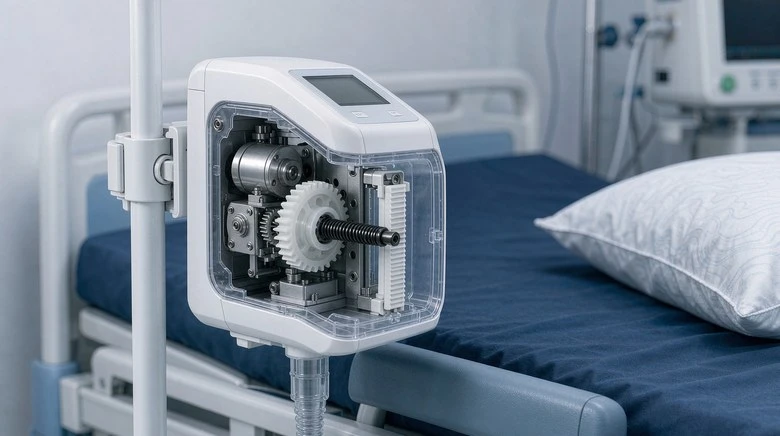
Miniature Gear Motor Solutions for Medical Equipment
Shunli Motor provides customized micro-drive support for small actuators, fluid delivery, sample processing, and precision adjustment mechanisms in medical devices, focusing on matching requirements for low noise, low vibration, low-speed stability, position feedback, lifespan, and batch consistency.
Solution Capabilities:
Supports collaborative development of micro motors + gearboxes + encoders/drives.
Why choose Shunli Motor
Shunli Motor specializes in the development of micro geared motors and gear transmissions, supporting everything from requirements review and sample iteration to project testing and mass production implementation. This page only displays verifiable engineering and quality evidence directly relevant to the industry.
01
R&D and Manufacturing
Collaborative development of motors, gearboxes, precision gears, output interfaces, assembly, and testing.
02
Verification Capabilities
Demonstrating load, temperature rise, noise, lifespan, environmental, or industry-specific testing equipment and sample reports.
03
Mass Production Consistency
Critical dimensions, materials, performance windows, final inspection points, batch traceability, and change control.
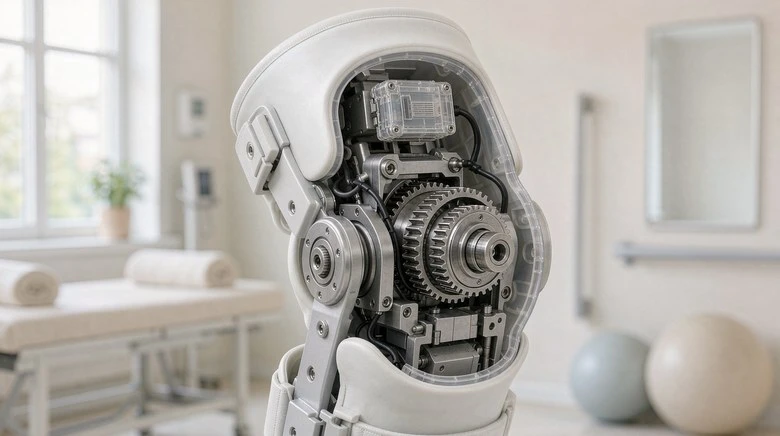
How are miniature geared motors used in medical devices?
The reliability of medical device drives stems from clearly defined requirements, controlled design, and repeatable verification, rather than a single parameter such as "high precision" or "low noise". Selection criteria must specify load and motion curves, displacement/flow control methods, duty cycles, noise levels, cleaning/disinfection exposure, abnormal operating conditions, and traceability and change control requirements. While motors and gearboxes are system components, the final device's dosage, positioning, safety, and regulatory compliance are still validated by the medical device manufacturer.
Related Applications
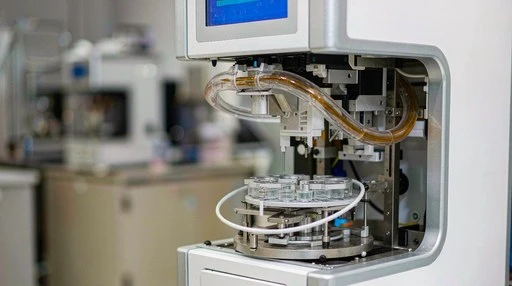
Priority Concerns: Repeatability, low vibration, low noise, size, cross-contamination risk, and long-term operational stability.

Infusion Pumps and Syringe Pumps
Priority Concerns: Propulsion force, low-speed stability, dosage accuracy, blockage detection, backlash, alarms, and battery life.

Priority Concerns: Output torque, low-speed stability, back-drive capability, safety limits, patient comfort, and power-failure handling.
Solves Medical Equipment Drive Challenges
Low-Speed High Torque in a Compact Structure
Based on the equipment load, stroke, and installation space, a low-speed, high-torque micro-drive solution is matched to ensure stable completion of pushing, lifting, and adjusting actions.
Reliable Lifespan Under Continuous Operation
To address the requirements of long-term operation, frequent start-stop, and repetitive actions, the structure of the geared motor, gears, and bearings has been optimized to improve the durability and consistency of the drive system.
Low Noise, Low Vibration, and Fine Control
By optimizing transmission clearance, gear meshing, and output speed, noise and vibration are reduced, and the smoothness of low-speed operation and the accuracy of motion control are improved.
Collaborative Development of Micro Motor + Gearbox + Encoder/Drive Components
The development involves a combined review of the motor, gearbox, output interface, feedback, and connection methods, considering factors such as mechanism, cycle time, space, power supply, control, and environment. Customization conclusions will be based on project specifications, samples, and mutually agreed-upon verification conditions.
Customization Item 1
Select DC, BLDC, coreless, and stepper motors with corresponding gear structures according to load, flow or displacement control, duty cycle, and noise requirements.
Customization Item 2
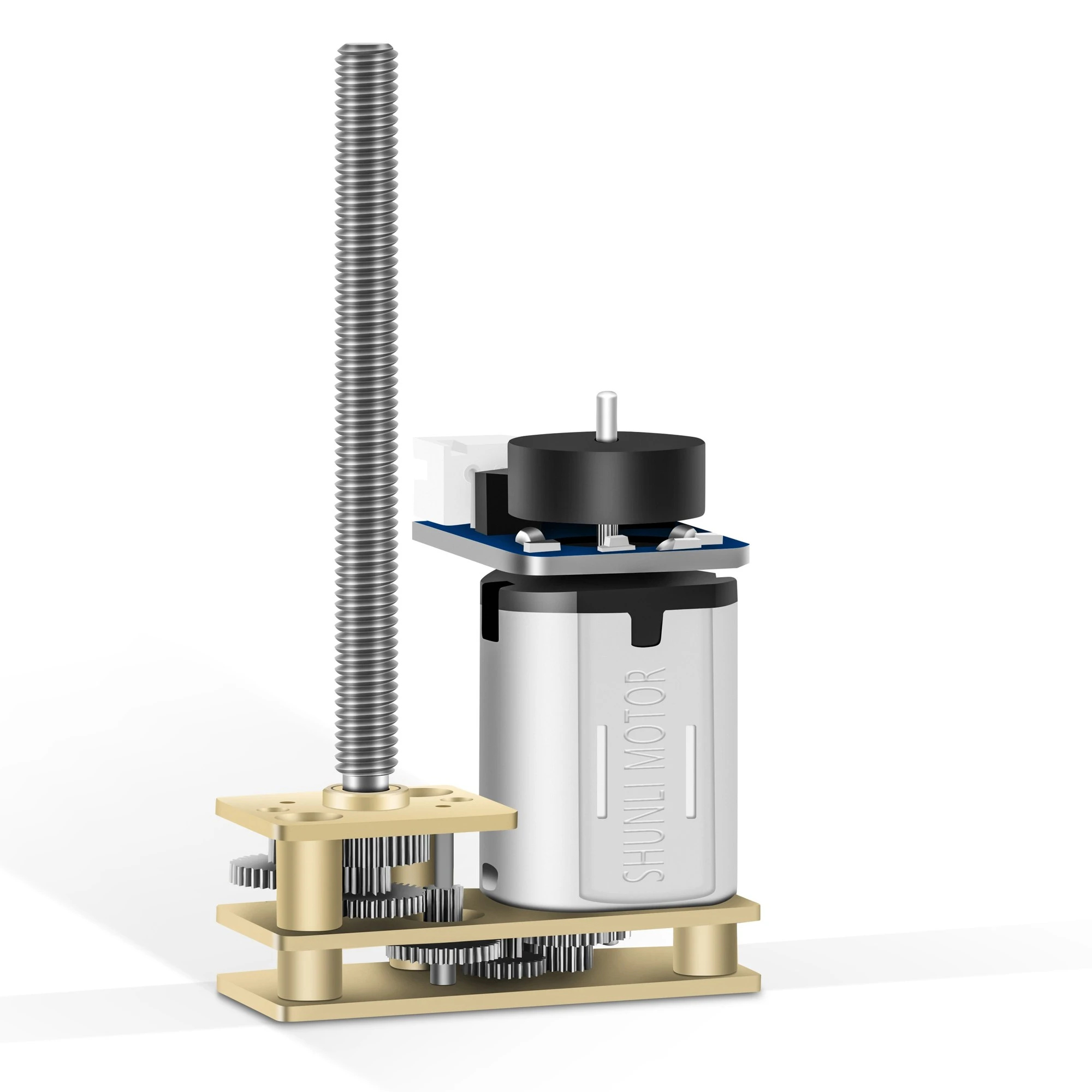
Customize output shafts, lead screws, rollers, gears, flanges, mounting holes, wiring harnesses, and connectors, and confirm the isolation boundary from the main unit.
Customization Item 3
Optimize gear materials, tooth profiles, bearings, lubrication, and assembly tolerances, focusing on backlash, low-speed stability, vibration, and lifespan.
Customization Item 4
Evaluate Hall effect sensors, encoders, limit switches, and current and temperature sensors; redundancy or alarm requirements should be confirmed jointly with the overall control scheme.
Customization Item 5
Match battery or DC power supply, low-power operating point, peak current, standby power consumption, and interface requirements with the control board.
Customization Item 6
Load, temperature rise, noise, flow or position repeatability, stall, cleaning and disinfection exposure, and cycle life testing.
Customization Process
Requirements Input
Mechanism diagram/prototype, load, speed, space, power supply, environment, lifespan, and quantity.
01
Architecture Review
Compare motor platforms, gear configurations, gear ratios, feedback systems, output interfaces, risks and estimated investment.
02
Preliminary Solution
Generate preliminary specifications, interface drawings, sample plan, verification scope and commercial prerequisites.
03
Sampling & Testing
Verify load, temperature rise, noise, stall, positioning, environmental performance and service life on customer's mechanism.
04
Design Finalization
Freeze critical dimensions, materials, BOM, performance envelope, drawings and acceptance criteria.
05
Pilot Run & Mass Production
Establish process controls, final inspection checkpoints, approved samples, batch traceability and change management.
06
Driving directions that can be prioritized for evaluation in medical device projects
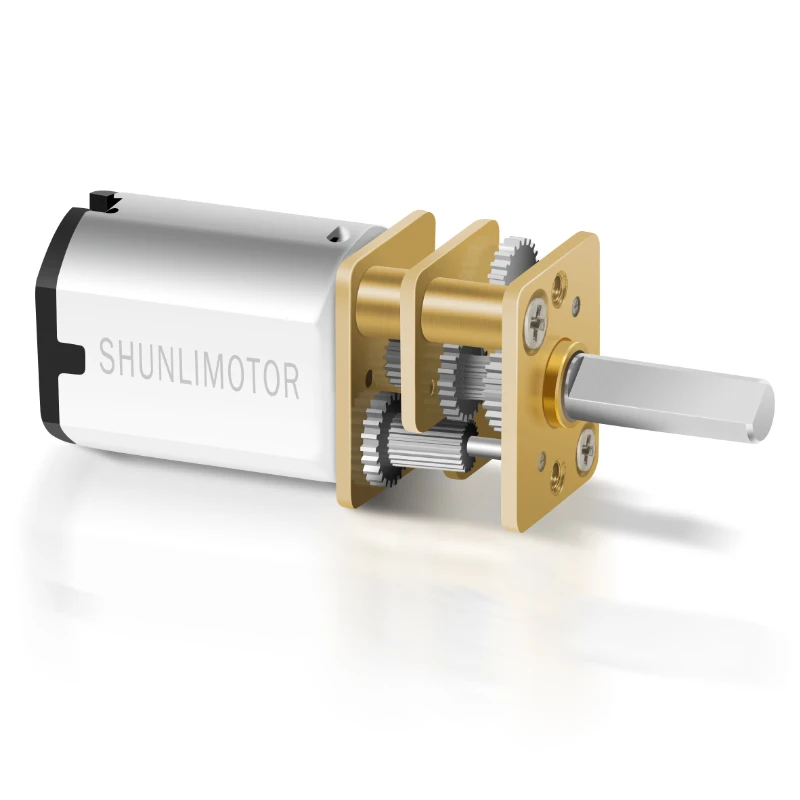
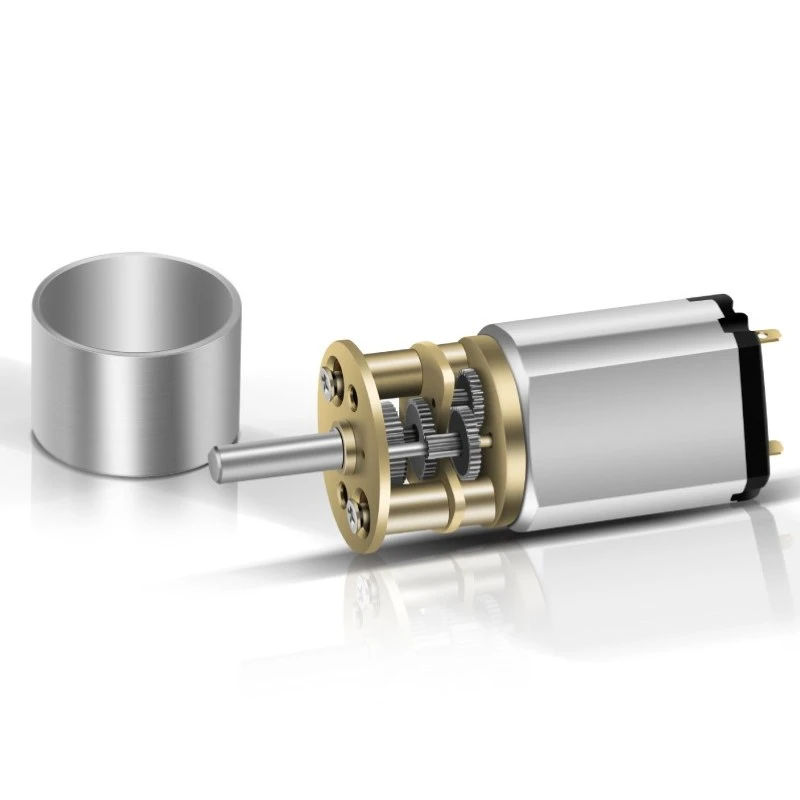
The Spur Gear Motor combines a DC motor with a multi-stage spur gearbox to provide a mature, efficient, and cost-effective drive solution for compact transmission mechanisms. Its simple gear structure supports flexible ratio, shaft, and mounting customization, making it suitable for smart home devices, commercial equipment, automotive actuators, smart landscaping systems, and industrial automation. It is a practical choice for projects that need a balance of output speed, torque, reliability, manufacturability, and cost.
The GM12 Series is a compact 12 mm-class DC spur gear motor platform developed for miniature mechanisms that require efficient speed reduction, controlled output, and cost-effective integration in limited space.
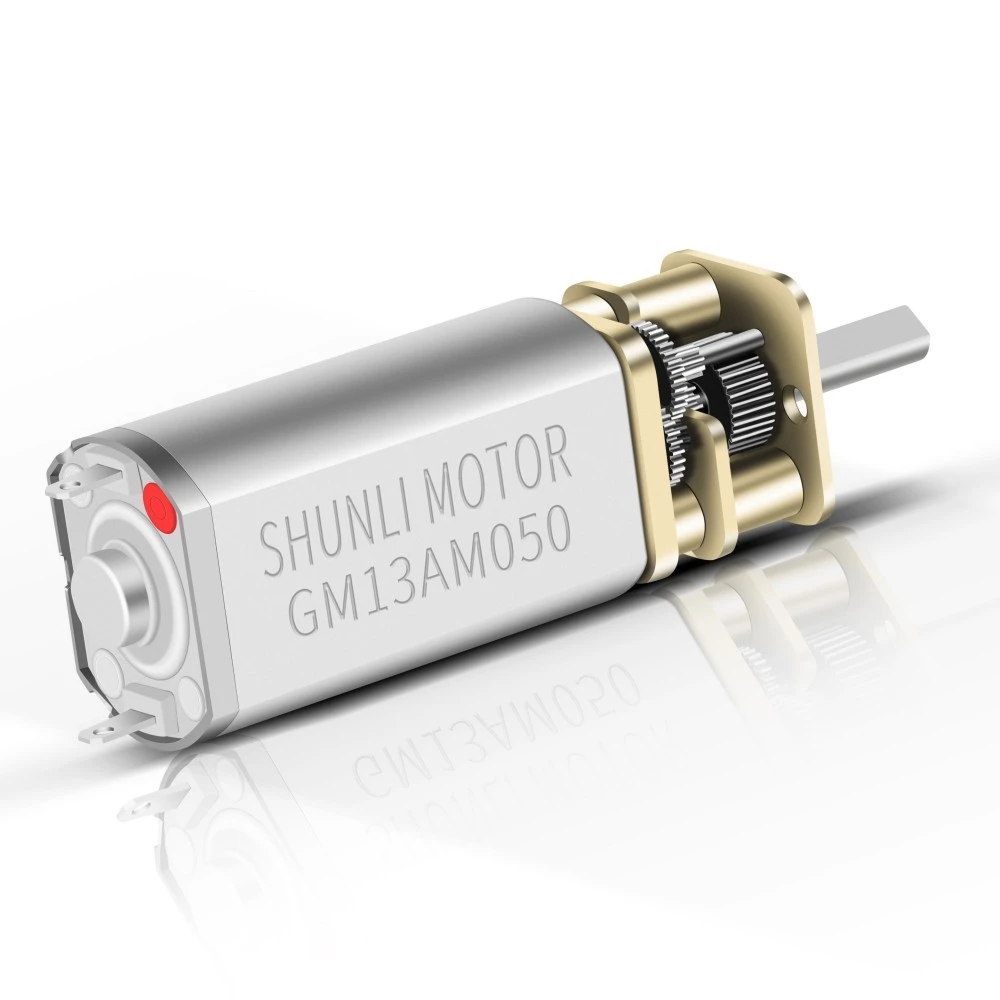
The GM13AM Series is a compact 13 mm-class DC spur gear motor designed for miniature mechanisms that require efficient speed reduction, stable low-speed output, and cost-effective transmission in a limited installation space.
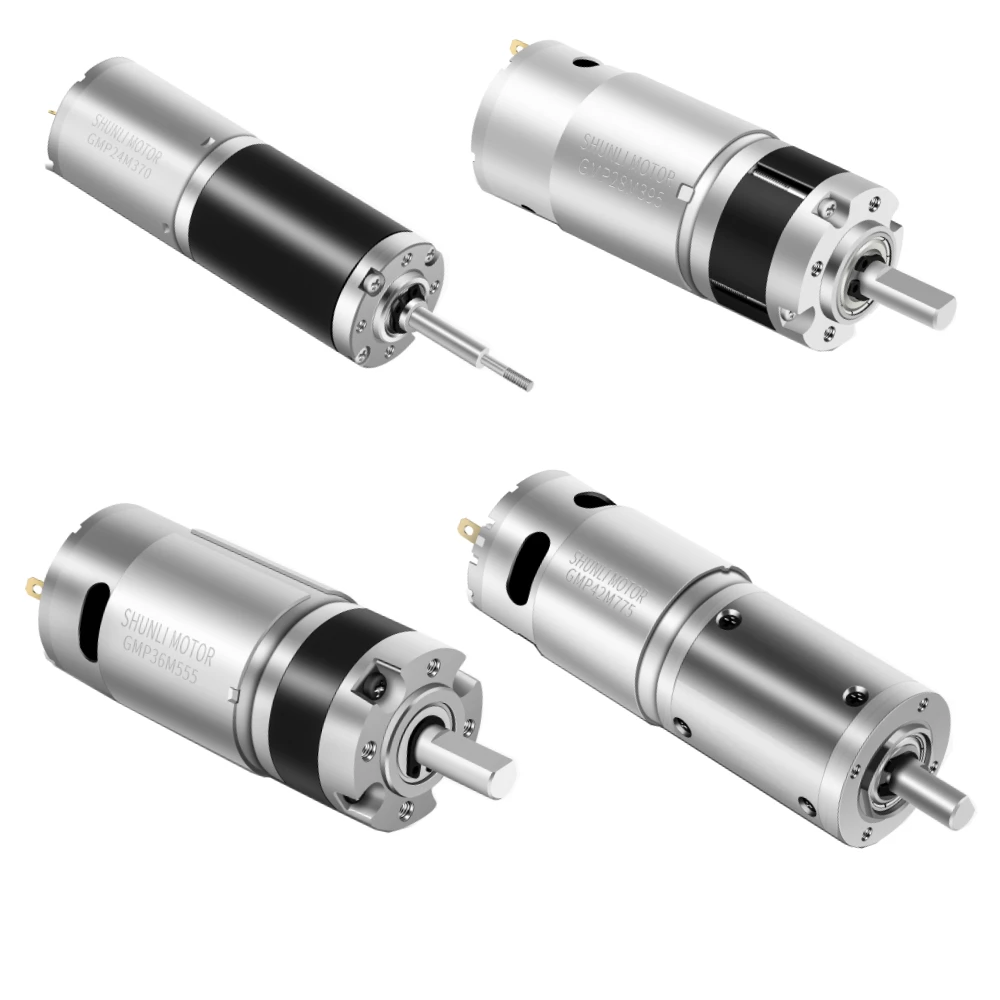
The Planetary Gear Motor uses a compact coaxial planetary gearbox to deliver higher torque density and stable transmission within limited installation space. Multiple planet gears share the load, making the structure suitable for applications that require compact size, reliable load handling, and frequent start-stop or reversing motion. It is widely used in robotics, medical equipment, industrial automation, automotive actuators, precision mechanisms, and other compact motion systems. Final selection should consider output speed, continuous and peak torque, duty cycle, backlash, current, and installation requirements.
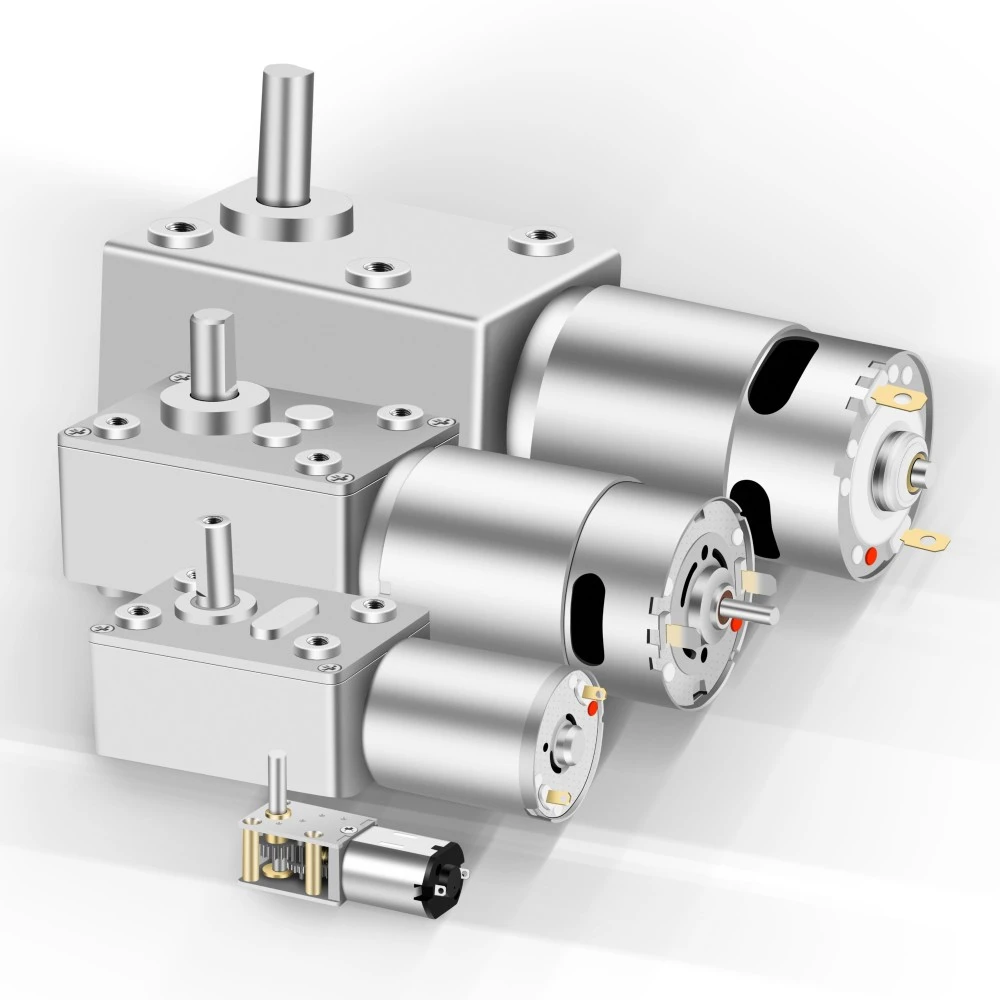
The DC Worm Gear Motor combines a DC motor with a worm gearbox to provide right-angle transmission, high reduction ratios, low-speed output, and strong load-driving capability in a compact structure. Its 90° output arrangement is well suited to valves, lifting and adjustment mechanisms, doors and windows, vending equipment, and other actuators where space layout or load-holding performance is important. Depending on the gear geometry and operating conditions, some worm gear designs may provide holding or self-locking characteristics, which should be verified for the actual application.
The GM16 Series is a compact 16 mm-class DC spur gear motor platform designed for miniature transmission systems that require efficient speed reduction, controlled low-speed output, cost-effective construction, and repeatable mass production.
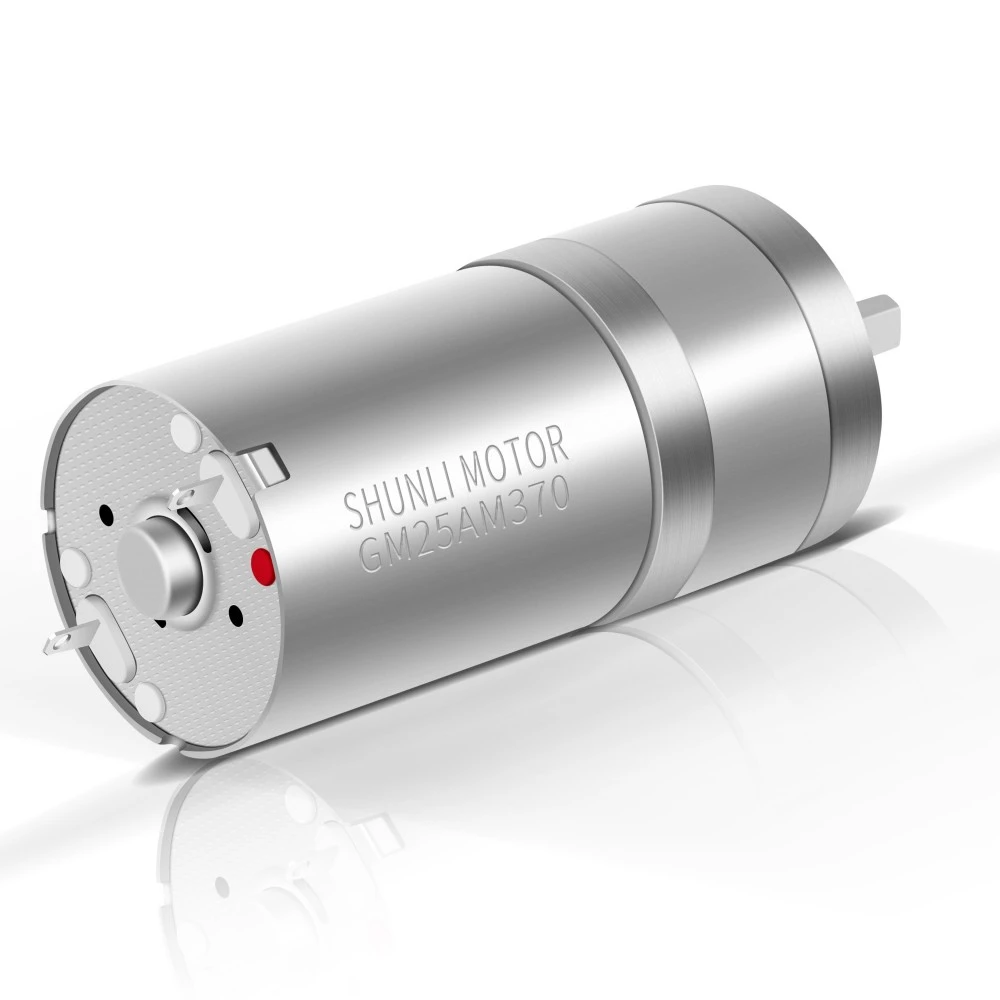
The GM25AM310/370 is a 25 mm-class DC spur gear motor platform combining a compact multi-stage gearbox with PMDC 310 or 370 motors. The supplied technical data covers gearbox options from 3 to 8 stages, multiple reduction ratios, and two reference gearmotor configurations: GM25AM310-217K at 3 VDC and GM25AM370-99K at 12 VDC.
The GM24 Series is a compact 24 mm-class DC spur gear motor platform developed for small transmission mechanisms that require efficient speed reduction, stable output, and cost-effective mass production.
FAQ
How to choose a miniature geared motor for medical equipment?
The selection needs to be based on a comprehensive consideration of the equipment's function, load, operating speed, installation space, noise level, control precision, operating frequency, and safety requirements. Spur gear motors are suitable for conventional actuators; planetary gear motors are suitable for compact, high-torque applications; worm gear motors are suitable for right-angle output or potential holding requirements.
What technical information is required for medical projects?
It is recommended to provide the equipment's purpose, operating voltage, load curve, target speed, actuation time, installation dimensions, output shaft, operating frequency, life cycle, noise target, and feedback interface; if patient contact or critical actions are involved, the risk level and safety status after failure must also be clearly defined.
Can it meet the low-noise requirements of blood pressure monitors, medical beds, or analytical equipment?
Optimization can be achieved through gear materials, tooth profiles, lubrication, bearings, structural rigidity, assembly tolerances, and control strategies. Medical equipment is sensitive to abnormal noise and vibration; therefore, the testing distance, load, installation method, and environmental conditions should be clearly defined and confirmed under the condition of the entire machine in operation.
How to achieve position and speed control of medical actuators?
Hall effect sensors, magnetic encoders, photoelectric encoders, potentiometers, limit switches, or current sensors can be configured according to the control precision required. The system should also be integrated with the control board to include soft start, soft stop, travel limit, stall protection, and abnormal power failure handling.
Can medical motors be customized in terms of structure and reliability?
Yes, voltage, speed, torque, reduction ratio, output shaft, mounting holes, wiring harness interfaces, lubrication, and feedback components can be customized according to the project. For medical projects, material requirements, clean and sterile environments, batch traceability, lifespan testing, and change management requirements also need to be determined in advance.
Enable Customized Solutions to Be Implemented Faster
Whether you're in the product concept, prototype development, or mass production phase, Shunli Motors can help you find the right micro geared motor drive solution based on your specific application needs.
Submit your product requirements now and get selection advice from our engineers.
Navigation
Navigation
Product Categories
Product Categories
Contact Us
Get in Touch
Get in Touch
Request a Quote



 Youtube
 Tiktok
 Linkedin
 Instagram
 Facebook
 WhatsApp
 WeChat