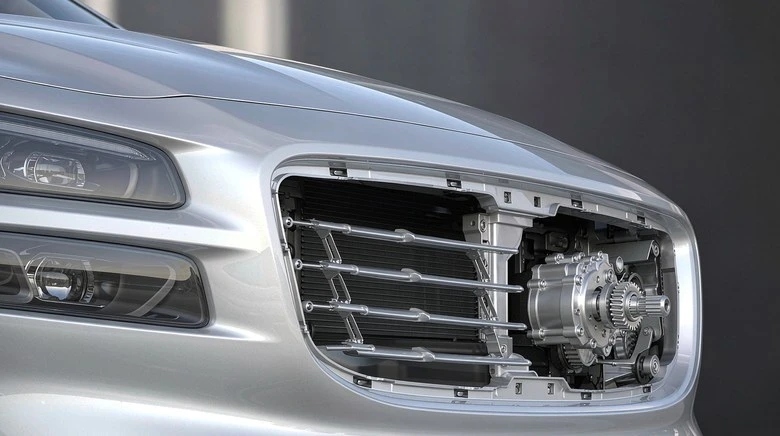
Automotive Electronics Micro Gear Motor Solution
Shunli Motor provides customized support for micro geared motors for small actuators in automotive electronics, conducting solution evaluations and assembly verifications based on project requirements such as low-voltage start-up, high and low temperatures, vibration, low noise, position feedback, and life cycle.
Solution Capabilities:
Supports collaborative development of micro motors + gearboxes + encoders/drives.
Why choose Shunli Motor
Shunli Motor specializes in the development of micro geared motors and gear transmissions, supporting everything from requirements review and sample iteration to project testing and mass production implementation. This page only displays verifiable engineering and quality evidence directly relevant to the industry.
01
R&D and Manufacturing
Collaborative development of motors, gearboxes, precision gears, output interfaces, assembly, and testing.
02
Verification Capabilities
Demonstrating load, temperature rise, noise, lifespan, environmental, or industry-specific testing equipment and sample reports.
03
Mass Production Consistency
Critical dimensions, materials, performance windows, final inspection points, batch traceability, and change control.
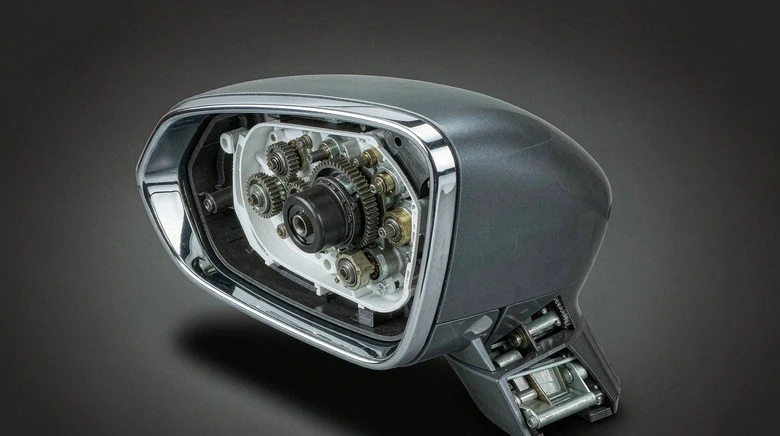
How are miniature geared motors used in automotive electronics?
"Automotive-grade micro geared motor" is not a universal specification. HVAC dampers, seats, windows, rearview mirrors, lights, and door locks vary significantly in load, duty cycle, installation area, temperature, vibration, noise, and holding method. Selection must be based on customer specifications to determine low-voltage start-up, freeze/jam behavior, peak current, life cycle, material limitations, EMC interfaces, and quality documentation, and project verification must be completed for specific models and assemblies.
Related Applications
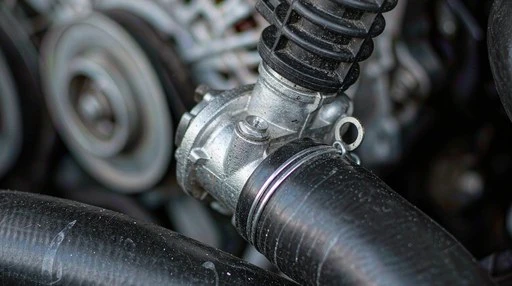
Priority Concerns: Opening/closing torque, angle accuracy, high and low temperatures, coolant compatibility, stall, sealing, and life cycle.

Priority Concerns: Wind load, frozen mud and sand, action synchronization, high and low temperatures, position holding, and stall protection.

Priority Concerns: Peak torque, operating noise, wind load, impact, low-temperature freezing, stalling, and cycle life.
Solves Automotive Electronics Drive Challenges
High Torque Output in a Compact Space
To address the limited space and concentrated loads of vehicle-mounted structures, motor power, reduction ratio, and output structure are matched to achieve stable torque output within a small volume.
Durability Under Frequent Start-Stop
For high-frequency start-stop, forward and reverse rotation, temperature variations, and vehicle vibration, gear materials and transmission structures are optimized to improve drive system service life.
Low-Noise Operation and Consistent Motion
By optimizing gear meshing, transmission clearance, and assembly precision, noise and vibration are reduced, and asynchronous movements, abnormal operating noises, and positional deviations are improved.
Collaborative Development of Micro Motor + Gearbox + Encoder/Drive Components
The development involves a combined review of the motor, gearbox, output interface, feedback, and connection methods, considering factors such as mechanism, cycle time, space, power supply, control, and environment. Customization conclusions will be based on project specifications, samples, and mutually agreed-upon verification conditions.
Customization Item 1
Select DC/BLDC motors and spur, planetary, or worm gear structures according to the customer's power supply range, load, action time, and holding requirements.
Customization Item 2
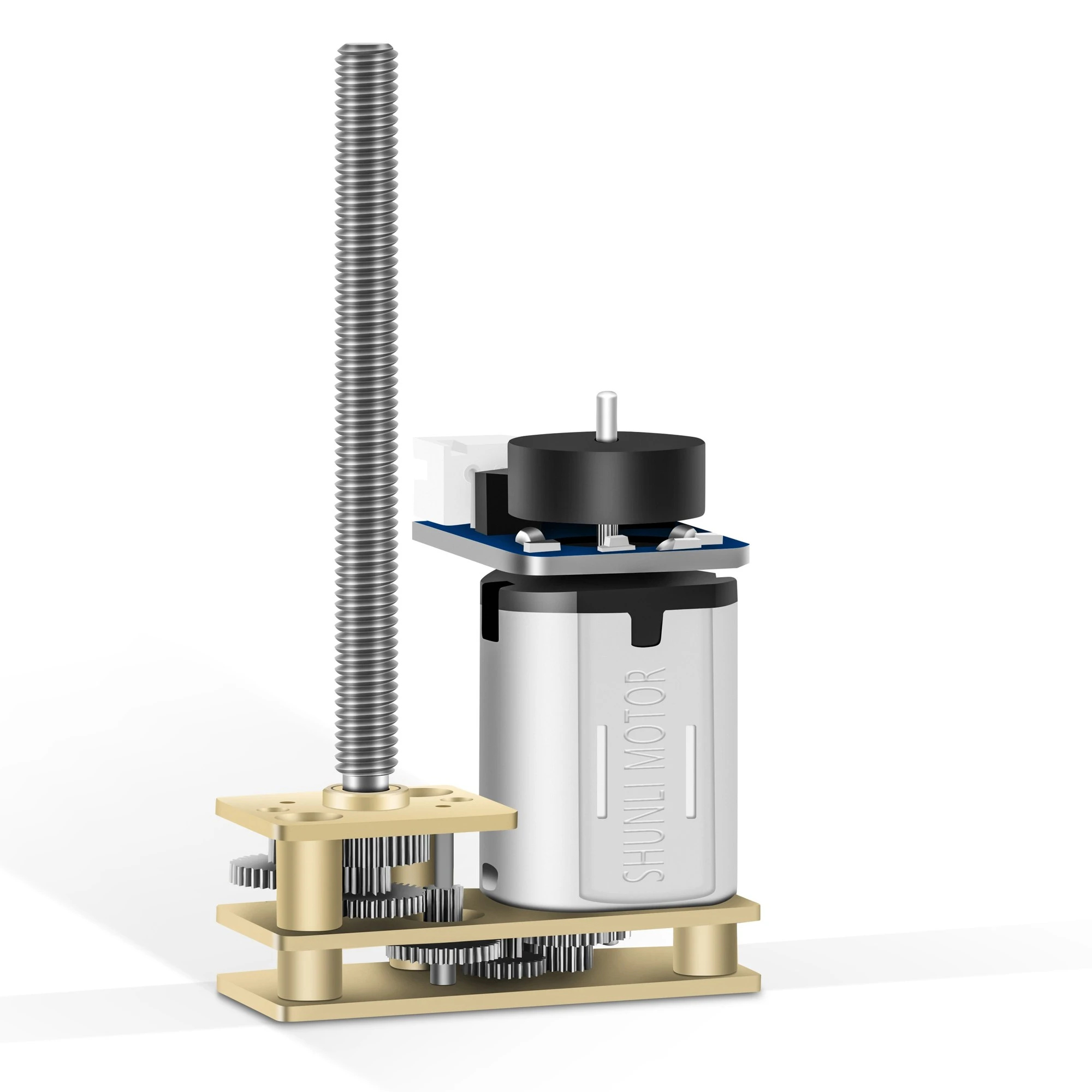
Customize output shafts, gears, worm gears, lead screws, housings, flanges, mounting holes, connectors, and drainage boundaries.
Customization Item 3
Evaluate materials based on high and low temperatures, humidity, vibration, salt spray, and contact with coolant, grease, or cleaning agents.
Customization Item 4
Configure Hall effect sensors, potentiometers, encoders, limit switches, and current or temperature sensors, and evaluate emergency release plans according to the mechanism.
Customization Item 5
Confirm requirements for low-voltage start-up, standby current, peak current, EMI suppression components, wiring harnesses, and connectors.
Customization Item 6
Evaluate high and low temperatures, temperature cycling, vibration and shock, damp heat, freeze jamming, noise, and life cycle according to customer specifications.
Customization Process
Requirements Input
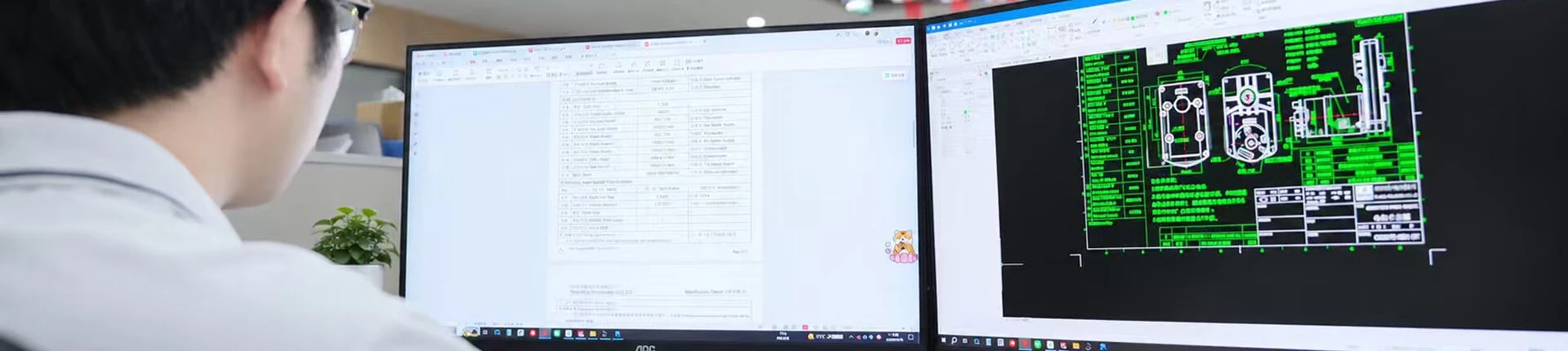
Mechanism diagram/prototype, load, speed, space, power supply, environment, lifespan, and quantity.
01
Architecture Review
Compare motor platforms, gear configurations, gear ratios, feedback systems, output interfaces, risks and estimated investment.
02
Preliminary Solution
Generate preliminary specifications, interface drawings, sample plan, verification scope and commercial prerequisites.
03
Sampling & Testing
Verify load, temperature rise, noise, stall, positioning, environmental performance and service life on customer's mechanism.
04
Design Finalization
Freeze critical dimensions, materials, BOM, performance envelope, drawings and acceptance criteria.
05
Pilot Run & Mass Production
Establish process controls, final inspection checkpoints, approved samples, batch traceability and change management.
06
Driving directions that can be prioritized for evaluation in automotive electronics projects
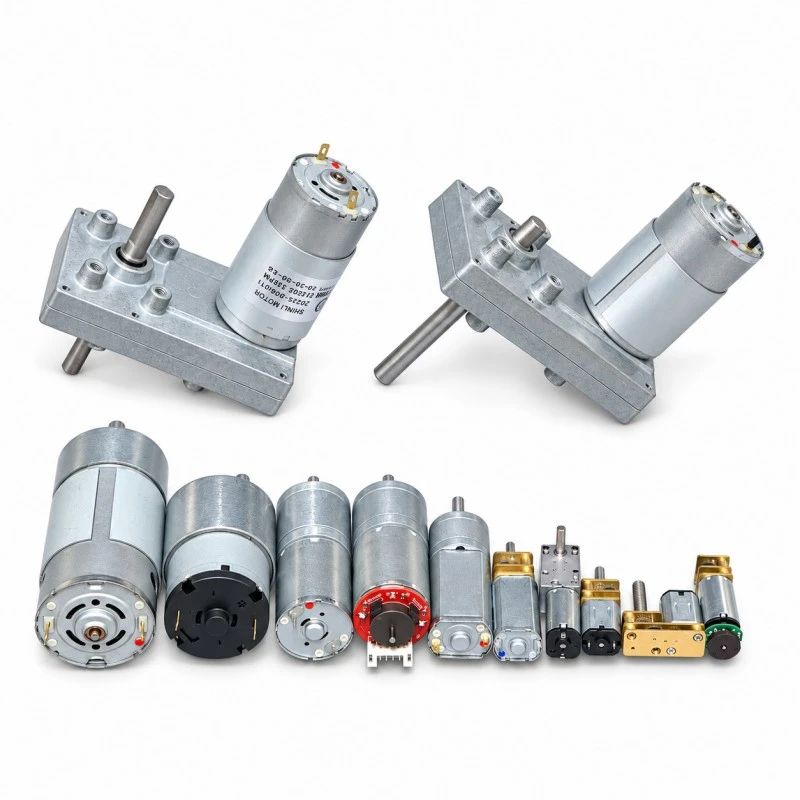
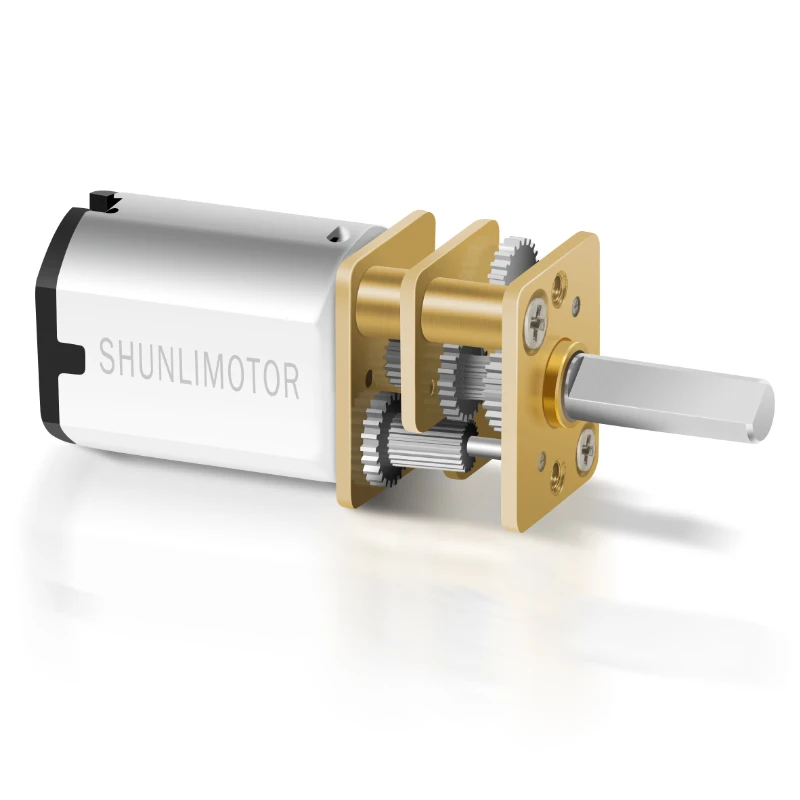
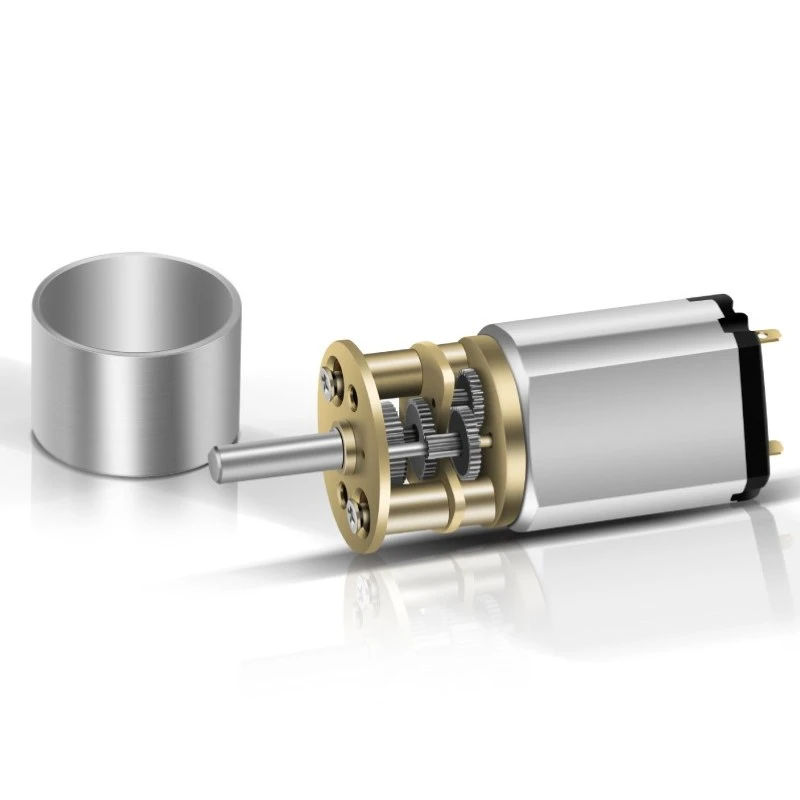
The Spur Gear Motor combines a DC motor with a multi-stage spur gearbox to provide a mature, efficient, and cost-effective drive solution for compact transmission mechanisms. Its simple gear structure supports flexible ratio, shaft, and mounting customization, making it suitable for smart home devices, commercial equipment, automotive actuators, smart landscaping systems, and industrial automation. It is a practical choice for projects that need a balance of output speed, torque, reliability, manufacturability, and cost.
The GM12 Series is a compact 12 mm-class DC spur gear motor platform developed for miniature mechanisms that require efficient speed reduction, controlled output, and cost-effective integration in limited space.
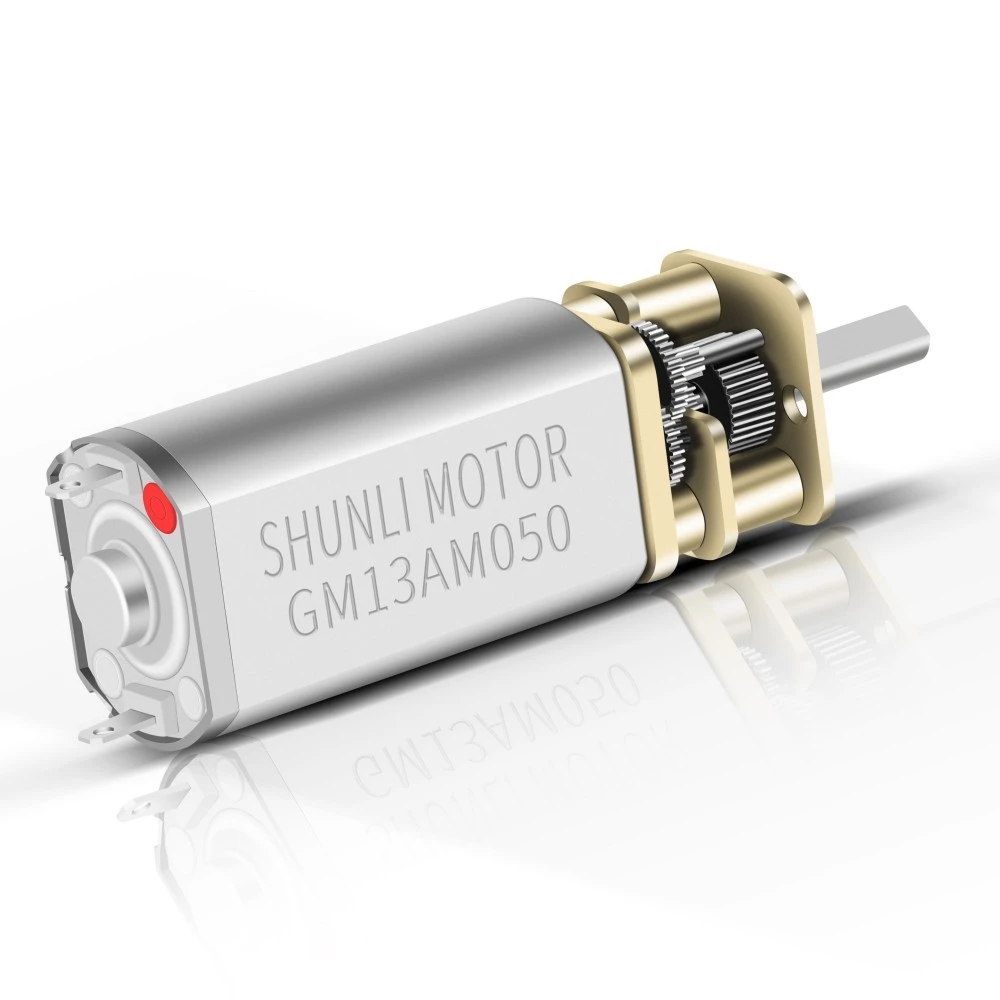
The GM13AM Series is a compact 13 mm-class DC spur gear motor designed for miniature mechanisms that require efficient speed reduction, stable low-speed output, and cost-effective transmission in a limited installation space.
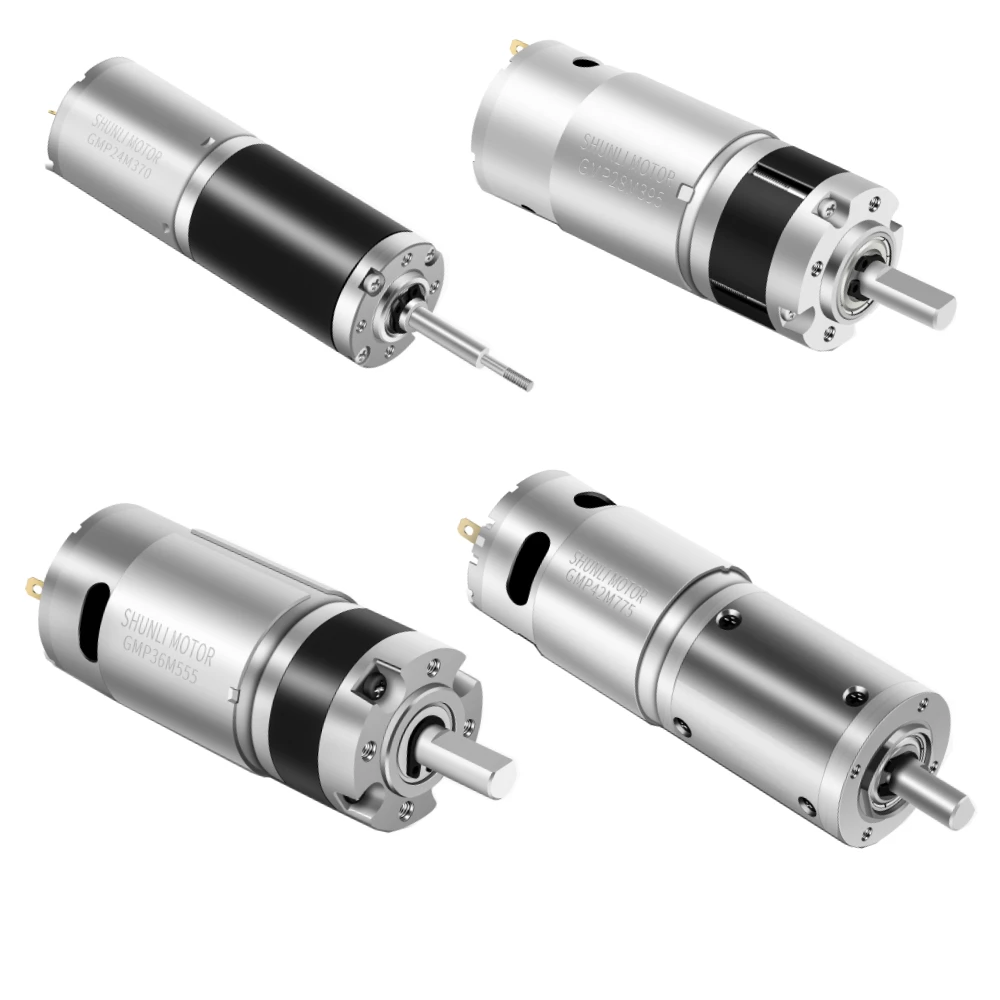
The Planetary Gear Motor uses a compact coaxial planetary gearbox to deliver higher torque density and stable transmission within limited installation space. Multiple planet gears share the load, making the structure suitable for applications that require compact size, reliable load handling, and frequent start-stop or reversing motion. It is widely used in robotics, medical equipment, industrial automation, automotive actuators, precision mechanisms, and other compact motion systems. Final selection should consider output speed, continuous and peak torque, duty cycle, backlash, current, and installation requirements.
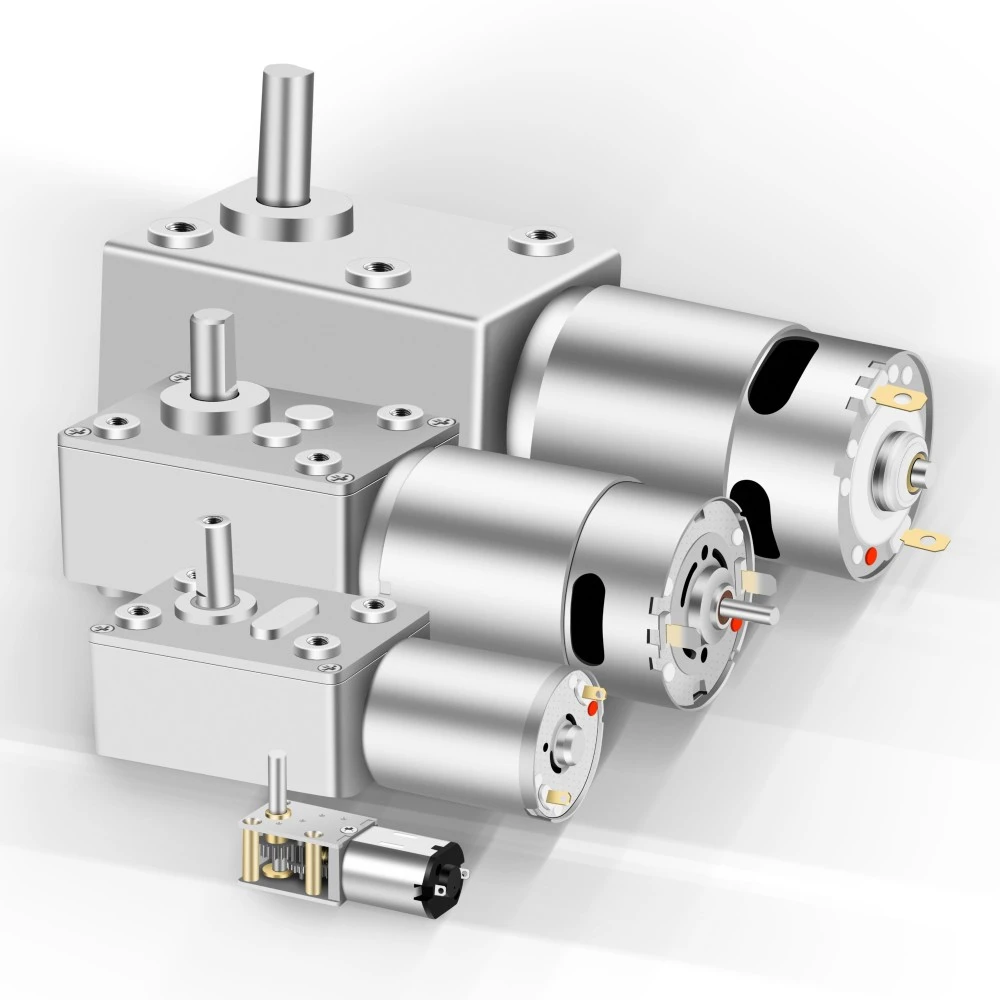
The DC Worm Gear Motor combines a DC motor with a worm gearbox to provide right-angle transmission, high reduction ratios, low-speed output, and strong load-driving capability in a compact structure. Its 90° output arrangement is well suited to valves, lifting and adjustment mechanisms, doors and windows, vending equipment, and other actuators where space layout or load-holding performance is important. Depending on the gear geometry and operating conditions, some worm gear designs may provide holding or self-locking characteristics, which should be verified for the actual application.
The GM16 Series is a compact 16 mm-class DC spur gear motor platform designed for miniature transmission systems that require efficient speed reduction, controlled low-speed output, cost-effective construction, and repeatable mass production.
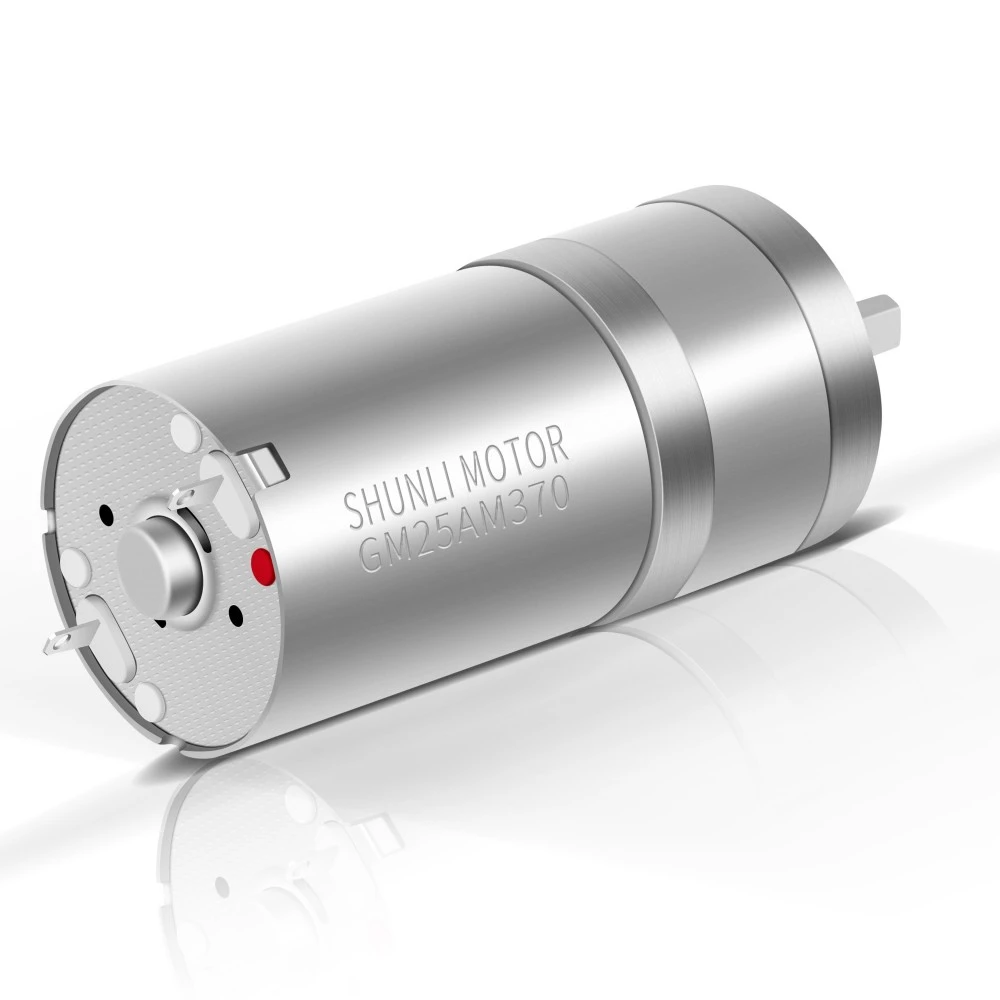
The GM25AM310/370 is a 25 mm-class DC spur gear motor platform combining a compact multi-stage gearbox with PMDC 310 or 370 motors. The supplied technical data covers gearbox options from 3 to 8 stages, multiple reduction ratios, and two reference gearmotor configurations: GM25AM310-217K at 3 VDC and GM25AM370-99K at 12 VDC.
The GM24 Series is a compact 24 mm-class DC spur gear motor platform developed for small transmission mechanisms that require efficient speed reduction, stable output, and cost-effective mass production.
FAQ
What automotive electronic mechanisms can miniature geared motors be used in?
They can be used in air conditioning dampers, charging port covers, door lock actuators, seat adjustments, display screen rotation, storage mechanisms, and other small electric actuators. Different locations have different requirements for noise, torque, size, feedback methods, and environmental reliability, requiring selection based on the specific assembly.
What selection parameters are required for automotive electronics projects?
It is recommended to provide the application location, operating voltage, load curve, target speed, operating time, installation space, output shaft, operating temperature, stall strategy, life cycle, and estimated annual usage; if position control is involved, angle range, positioning accuracy, feedback interface, and control logic are also required.
Can the motor withstand the high and low temperatures, vibration, and humid environment of an automotive vehicle?
It needs to be verified based on the actual installation location for the effects of high and low temperatures, temperature cycling, vibration, shock, damp heat, salt spray, and chemical media. Optimization can be achieved through materials, lubrication, bearings, terminals, wiring harnesses, and surface treatments, but the final performance should be confirmed under customer assembly and vehicle conditions.
How to reduce the operating noise of actuators in a car cabin?
This can be achieved through optimization of gear materials, gear profile accuracy, reduction stages, lubrication, bearings, housing rigidity, assembly tolerances, and control strategies. Noise targets need to be clearly defined based on measurement distance, load, installation conditions, ambient temperature, and background noise, and verified in an actual cabin or assembly.
Can position feedback and quality documentation be configured for automotive electronics projects?
Hall effect sensors, encoders, potentiometers, limit switches, or current sensing solutions can be evaluated based on space and accuracy requirements. Automotive projects should also clarify PPAP, material declarations, traceability, process capability, and reliability testing requirements in advance, and then confirm project development and mass production conditions.
Enable Customized Solutions to Be Implemented Faster
Whether you're in the product concept, prototype development, or mass production phase, Shunli Motors can help you find the right micro geared motor drive solution based on your specific application needs.
Submit your product requirements now and get selection advice from our engineers.
Navigation
Navigation
Product Categories
Product Categories
Contact Us
Get in Touch
Get in Touch
Request a Quote


 Youtube
 Tiktok
 Linkedin
 Instagram
 Facebook
 WhatsApp
 WeChat